

The short answer is yes — you can have insurance on a car without a license, but the setup requires a specific approach. Most standard insurers will not issue a policy listing an unlicensed person as the primary driver, but there are several fully legal and widely used methods to secure coverage for a vehicle you own, regardless of your license status.
It is critical to understand one non-negotiable distinction upfront: insuring the car and being legally allowed to drive it are two entirely separate things. Getting insurance on a vehicle does not grant you the right to operate it. Driving without a valid license remains a criminal offense in every state, regardless of whether the car is insured.
The scenarios that lead people to ask this question are more common than you might think. A parent adding a teen with a learner’s permit to a policy, an elderly grandparent who owns a car but relies on family for transportation, or someone navigating a suspended license after a DUI — all of these individuals need insurance coverage without holding an active driver’s license themselves. Each situation has a workable, legal solution.
This guide walks through every viable strategy, the true costs involved, the state-specific rules you need to know, and the very real legal risks that come with misusing these arrangements.
Key Takeaways
- You can insure a car without a license by listing a licensed person as the primary driver on the policy.
- Excluding yourself as a driver is a valid legal strategy, but you must never operate the vehicle under any circumstances.
- Storage or “garage” insurance offers significantly lower rates for cars not currently in use, often 50–70% cheaper than standard coverage.
- If your license is suspended, an SR-22 filing is frequently mandatory before you can maintain or reinstate any form of coverage.
- Driving while excluded from your own policy is illegal, will immediately void all coverage, and can result in severe financial and criminal penalties.
Can You Legally Insure a Car Without a License?
Yes, insuring a car without a license is legal in most states, provided the policy is structured correctly. The key requirement most insurers enforce is that at least one licensed primary driver is named on the policy. The unlicensed owner can hold the title and pay the premiums, but the insurer needs a licensed operator associated with the vehicle for underwriting purposes.

Vehicle registration and auto insurance are obligations tied to the car, not the driver. Most state DMVs require proof of insurance before a vehicle can be registered, and that requirement applies whether the owner holds a valid license or a simple state ID. The financial responsibility laws in every state are designed to protect other people on the road from an uninsured vehicle — not to gatekeep based on the owner’s personal driving status.
Where people run into trouble is when they attempt to obtain a policy without disclosing their unlicensed status or without properly designating a licensed driver. Insurers view this as a material misrepresentation, which can be grounds for policy cancellation or claim denial.
The Difference Between Registration and Driving
A common point of confusion is the assumption that a driver’s license is required to register a vehicle. In most states, a government-issued state ID is sufficient for vehicle registration. The DMV is primarily concerned with establishing ownership and ensuring the vehicle carries adequate liability coverage — not with verifying that the owner can legally drive.
- State ID vs. Driver’s License: Both are accepted for registration in the majority of states. The key document is proof of identity, not proof of driving competency.
- Proof of financial responsibility: The DMV requires this for the vehicle itself. This is why you can register a car, pay the insurance, and then designate someone else as the operator.
- Title and ownership: Holding the title to a vehicle is a property right, entirely independent of your driving privileges.
How to Get Coverage Without a License: 4 Proven Strategies
There are four primary methods for securing car insurance without a license, and the right choice depends entirely on your specific situation. Each strategy has distinct cost implications, legal requirements, and practical limitations that must be understood before you commit to a policy structure.
Strategy 1: List a Licensed Primary Driver
The most straightforward and widely accepted method is to name a licensed family member or household resident as the primary driver on the policy. The unlicensed owner retains the title and pays the premium, but the insurer underwrites the risk based on the licensed driver’s record.
- A licensed spouse, adult child, or sibling can serve as the primary operator.
- Premiums are calculated primarily on the primary driver’s driving history, age, and record — not on the owner’s lack of a license.
- This is the most common arrangement in households where one person owns the car but another drives it regularly.
The critical requirement here is honesty. The listed primary driver must actually be the person who drives the vehicle most frequently. Listing someone who rarely uses the car to get a lower premium is a form of insurance fraud known as “fronting” and can result in policy voiding and legal action.
Strategy 2: Legally Excluding Yourself from the Policy
A driver exclusion is a formal, signed legal declaration stating that a named individual will not operate the insured vehicle under any circumstances. This is distinct from simply not being listed — it is an active legal exclusion that both you and the insurer sign off on.
- The insurer adds your name to the policy as an excluded driver, making clear that no coverage will apply if you are behind the wheel.
- This approach is often used when an unlicensed or high-risk owner wants to insure a vehicle for a licensed family member to use.
- Some states require the excluded driver to sign a separate waiver acknowledging they understand the consequences of driving while excluded.
This is a legally sound strategy as long as the exclusion is honored. The moment the excluded driver gets behind the wheel, all coverage is voided for that incident. There are no exceptions.
Strategy 3: Storage Insurance for Parked Vehicles
Storage insurance, sometimes called “garage insurance” or “lay-up coverage,” is designed for vehicles that will not be driven for an extended period. It is ideal for classic car collectors, project car owners, individuals with suspended licenses who plan to reinstate, or anyone who needs to protect an asset without operating it.
- What it covers: Typically includes comprehensive protection against theft, fire, vandalism, flooding, and weather damage. It does not include liability or collision coverage, since the vehicle is not being driven.
- Cost advantage: Storage insurance typically costs 50–70% less than a standard comprehensive policy. For a vintage vehicle or a collector car, this can represent substantial annual savings.
- Restrictions: Most policies require proof that the vehicle is not being used on public roads. Some insurers require a signed statement or periodic confirmation that the car remains in storage.
One important note: if your state requires minimum liability coverage to maintain vehicle registration, storage insurance alone may not satisfy that requirement. Always verify your state’s specific DMV requirements before dropping to storage-only coverage.
Strategy 4: Cost Comparison — Standard vs. Unlicensed Policies
Understanding the premium costs associated with insuring a car without a license is essential for budgeting and choosing the right coverage path. The cost differential is significant and often surprises people who are exploring their options for the first time.
- Standard policy with a licensed primary driver: Premiums are largely determined by the primary driver’s age, driving record, location, and the type of vehicle. If the listed driver has a clean record, costs can be comparable to a standard policy.
- Unlicensed owner policies: When an insurer is aware the owner has no license, they typically charge a 20–50% premium surcharge due to perceived higher risk and administrative complexity.
- SR-22 policies for suspended licenses: These are classified as high-risk insurance and can be 50–100% more expensive than standard coverage, depending on the underlying offense.
- Non-owner SR-22 policies: For individuals with a suspended license who do not own a car but need to maintain proof of financial responsibility, non-owner policies are often the most cost-effective option — sometimes cheaper than insuring a vehicle they own.
- Storage insurance: The most affordable option at 50–70% below standard rates, but with very limited coverage scope.
Why Do People Insure Cars Without a License?
The reasons behind this question are as varied as the people asking it. Understanding the specific scenario driving the inquiry helps clarify which strategy is most appropriate — and which legal pitfalls are most relevant to avoid.
Learner’s Permits and New Drivers
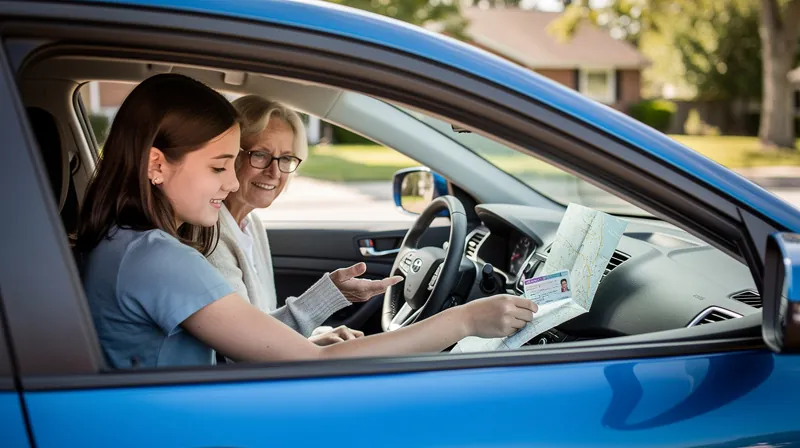
One of the most common situations involves teenagers who have obtained a learner’s permit but have not yet passed their driving test. A learner’s permit is not a driver’s license, yet the teen legally needs to practice driving on public roads — which means the vehicle must be insured.
- The parent or guardian typically owns the vehicle and is listed as the primary driver.
- The teen with the learner’s permit is added as an additional driver, and premiums are adjusted accordingly.
- Coverage must be active during every practice session — the permit does not exempt the vehicle from insurance requirements.
- Most insurers automatically cover permitted drivers under a parent’s policy, but it is essential to notify your insurer to avoid a coverage gap.
Suspended or Revoked Licenses
Individuals with a suspended license due to a DUI, excessive traffic violations, or failure to pay fines represent another large segment of people who need car insurance without active driving privileges. These individuals often still own their vehicle and need to keep it insured for when their license is reinstated.
- Maintaining insurance during a suspension period can actually demonstrate financial responsibility to the DMV, potentially supporting faster reinstatement.
- Many states require an SR-22 filing as a condition of reinstatement, and you typically cannot file an SR-22 without an active insurance policy.
- A trusted family member can be designated as the primary driver while the owner’s license remains suspended.
Non-Driving Owners and Immigrant Nuances
Not everyone who owns a car is physically capable of or interested in driving it themselves. Elderly individuals, people with disabilities, recent immigrants, and professional non-drivers all have legitimate reasons to own and insure a vehicle without holding a driver’s license.
- Elderly and disabled owners: May rely entirely on family members or professional caregivers for transportation. They retain the vehicle title for practical and financial reasons.
- New residents and immigrants: Some individuals, including undocumented residents, may use an ITIN (Individual Taxpayer Identification Number) for vehicle registration while in the process of obtaining a state ID or license. In states like California, an AB-60 license is available to undocumented drivers, but prior to obtaining one, these individuals still need insured vehicles.
- Chauffeurs and professional drivers: A person who owns a vehicle but uses it exclusively in a professional capacity may have a commercial driver’s license that does not cover personal vehicles, requiring a separate personal vehicle policy structure.
Navigating SR-22 and High-Risk Requirements
The SR-22 is one of the most misunderstood documents in the auto insurance world. For anyone with a suspended or revoked license, understanding exactly what it is, what it does, and how to file it can be the difference between a smooth reinstatement process and months of unnecessary delays.
Understanding the SR-22 Form
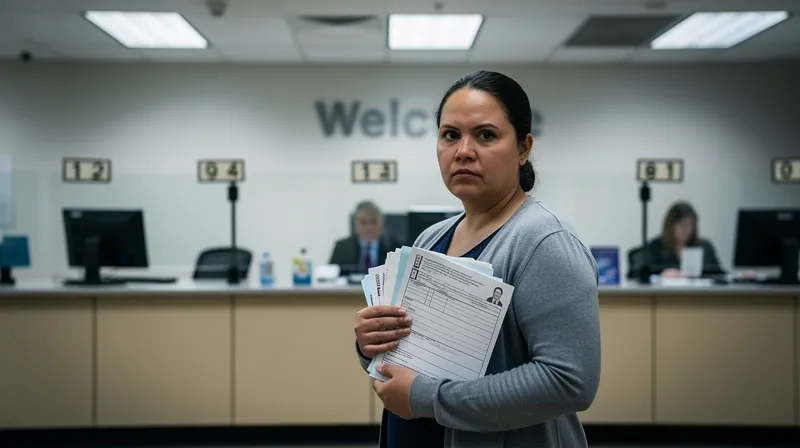
An SR-22 is not an insurance policy — it is a certificate of financial responsibility filed by your insurance company with your state’s DMV on your behalf. The DMV requires it as proof that a high-risk driver maintains at least the state minimum level of liability coverage.
- Who requires it: The DMV, not the insurer. Your insurer simply files it electronically on your behalf.
- When it is required: After a DUI or DWI conviction, multiple at-fault accidents, serious traffic violations, or driving without insurance.
- Filing fees: Typically range from $15 to $25 per filing, which is a one-time administrative fee separate from your insurance premium.
- Duration: Most states require SR-22 maintenance for 3 years, though this varies by state and offense severity.
State-Specific DMV Registration Rules
The rules for registering and insuring a vehicle without a driver’s license vary meaningfully from state to state. California and Florida — two of the most populous states — each have specific provisions worth understanding as representative examples.
- California: Allows vehicle registration with a state ID. The state also requires a minimum of liability coverage for any registered vehicle. Under California law, unlicensed owners can register vehicles and maintain insurance as long as a licensed driver is designated. The state’s AB-60 license program also provides a pathway for undocumented residents to obtain driving credentials.
- Florida: Has a “No-Fault” insurance system requiring Personal Injury Protection (PIP) and Property Damage Liability regardless of who drives. Unlicensed owners can register vehicles and obtain insurance, but must meet the state’s minimum coverage requirements tied to the vehicle registration.
- Non-operator designation: Some states allow or require a “non-operator” or “non-driver” designation on the vehicle registration, acknowledging that the registered owner does not drive the vehicle.
- State ID vs. license: In virtually every state, a government-issued photo ID is sufficient for registration — the distinction between a driver’s license and a state ID becomes relevant only when the person attempts to operate the vehicle.
The Digital SR-22 Filing Process
The process of filing an SR-22 has been significantly modernized over the past decade. Approximately 90% of states now accept electronic SR-22 filings, reducing the traditional waiting period from several weeks to as little as 24–72 hours.
- How it works: Once you purchase a qualifying insurance policy, your insurer submits the SR-22 electronically to your state’s DMV. You typically receive a confirmation within one to three business days.
- Processing time advantage: Digital filing eliminates the paper mail timeline and allows the DMV to update your driving record almost immediately, which is critical if your license reinstatement is contingent on the SR-22 being received.
- Fee caps: Several states have introduced administrative fee caps for electronic SR-22 submissions to prevent insurers from charging excessive filing fees. Always ask your insurer specifically what the e-filing fee will be.
- Non-owner SR-22: If you do not own a car but need to maintain proof of financial responsibility — for example, if you plan to drive borrowed or rental vehicles after reinstatement — a non-owner SR-22 policy is available and is often the most cost-effective option.
The Risks of Driving While Excluded
Of all the concepts in this guide, the consequences of driving while excluded from your own insurance policy are the most severe and the least negotiable. There is no gray area here: if you are listed as an excluded driver and you get behind the wheel, you are uninsured, regardless of what the policy document says.
What Happens if You Drive While Excluded
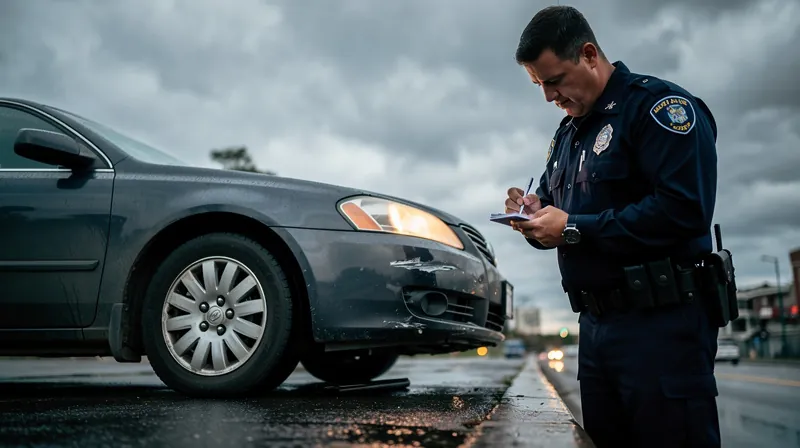
The moment an excluded driver operates the insured vehicle, the policy is voided for that incident in its entirety. This means no liability coverage, no collision coverage, and no comprehensive coverage for anything that happens while the excluded person is driving.
- Personal financial liability: You become personally responsible for 100% of property damage, medical bills, and legal costs arising from any accident. In a serious collision, this can easily reach hundreds of thousands of dollars.
- Criminal charges: Driving without effective insurance is a criminal or civil offense in every state. You can face fines, additional license suspension, and in some cases, vehicle impoundment.
- Compounding the original problem: If your license is already suspended and you drive while excluded, you now face charges for both driving on a suspended license and driving without insurance — dramatically extending the path to reinstatement.
Liability Shifts and Ethical Concerns
The risk of driving while excluded does not only affect the excluded driver. When an excluded driver causes an accident, the financial and legal exposure extends directly to the primary listed driver and the vehicle owner.
- Coverage denial for the primary driver: Even though the primary listed driver was not involved in the accident, the insurer may deny all claims related to the incident because the vehicle was being operated by an excluded individual.
- Personal lawsuit against the primary driver: If the insurer denies the claim, the injured party can sue the vehicle owner and the listed primary driver personally for damages.
- Insurance fraud risk: If investigators determine that the primary driver was listed fraudulently — meaning the unlicensed person was actually the regular operator and the licensed person was only listed to obtain coverage — the insurer can pursue fraud charges. Insurers actively investigate suspicious claims for exactly this pattern, known as “fronting.”
- Ethical responsibility: Beyond the legal consequences, knowingly letting an excluded or unlicensed driver operate a vehicle puts other road users at serious risk and undermines the fundamental purpose of insurance as a system of shared financial protection.
Frequently Asked Questions
Can you register a car without a license?
Yes, in most states you can register a car without a driver’s license using a government-issued state ID. Vehicle registration requirements focus on establishing ownership and proof of insurance for the vehicle, not on the owner’s ability to drive. Always check your specific state’s DMV requirements, as a small number of states have additional documentation requirements for non-licensed registrants.
Is it illegal to drive without insurance but have a license?
Yes, driving without insurance is illegal in 48 states regardless of whether you hold a valid driver’s license. A valid license and valid insurance are two separate legal requirements that must both be met to operate a vehicle on public roads. Penalties for driving uninsured can include fines, license suspension, and vehicle impoundment.
Can you get car insurance without a license in California?
Yes, California allows unlicensed individuals to obtain car insurance by listing a licensed primary driver on the policy. California also has specific provisions under AB-60 that allow undocumented residents to obtain a driver’s license, and the state permits vehicle registration with a state ID. Insurers operating in California are generally familiar with this arrangement and have policies designed to accommodate it.
Does insurance cover you if you don’t have a license?
If you are the unlicensed owner but are listed as an excluded driver, the insurance policy will not cover you while you are operating the vehicle. However, if you are the owner but a licensed primary driver is operating the car, the policy covers that driver and any incidents that occur. Coverage applies to authorized drivers, not to excluded or unlicensed operators.
How much does car insurance cost without a license?
Insurance for an unlicensed owner typically costs 20–50% more than a standard policy, depending on the insurer and the arrangement. If a licensed family member with a clean driving record is listed as the primary driver, costs can be closer to standard rates. SR-22 policies for suspended license holders can be 50–100% higher than standard premiums due to the high-risk designation.
Can you get an SR-22 without a car?
Yes, a non-owner SR-22 policy allows individuals to meet state financial responsibility requirements without owning a vehicle. This is ideal for people whose licenses are suspended who plan to drive borrowed or rented vehicles after reinstatement. Non-owner SR-22 policies are typically less expensive than standard vehicle policies with an SR-22 attached.
Can you insure a car in someone else’s name?
Generally, the named insured on a policy should have an “insurable interest” in the vehicle, meaning they typically need to be the registered owner. Insuring a car entirely in another person’s name when you own it — or vice versa — can create coverage disputes and may be considered misrepresentation. The most compliant approach is to ensure the titleholder and the policyholder are the same person, with licensed drivers properly listed.
What is a non-owner car insurance policy?
A non-owner car insurance policy provides liability coverage for a driver who does not own a vehicle but occasionally drives borrowed or rented cars. It covers damages the driver causes to other people and their property but does not cover the vehicle being driven. It is frequently used by individuals with suspended licenses as a vehicle for SR-22 filings.
Can I drive my parents’ car if I don’t have a license?
No — driving any vehicle without a valid driver’s license is illegal, regardless of whose car it is or whether the car is insured. If you only have a learner’s permit, you can drive your parents’ car on public roads only under the direct supervision of a licensed adult, as specified by your state’s permit restrictions. Violating these conditions can result in fines, permit revocation, and can complicate future licensing.
Do I need insurance if my car is just sitting in the garage?
Most states require you to maintain a minimum level of insurance on any registered vehicle, even if it is not being driven. However, you may qualify for a significantly cheaper storage or “garage” insurance policy that provides comprehensive coverage (theft, fire, weather damage) without liability or collision coverage. If you plan to store a car long-term, you can also surrender the license plates in some states to suspend the registration requirement, but confirm this process with your DMV before canceling coverage.