

A hail storm can roll in without warning, leaving your vehicle pockmarked with dents in a matter of minutes. When you walk outside to survey the damage, the first question on your mind is almost certainly: is hail damage to a car covered by insurance? The short answer is yes — but only if you carry the right type of coverage. Most standard policies do not automatically protect you from weather-related damage, and understanding the difference can save you thousands of dollars.
The specific coverage you need is called comprehensive auto insurance, sometimes referred to as “other than collision” coverage. This is a separate policy add-on that covers events outside of your control, including hail storms, flooding, fire, theft, and vandalism. If you only carry liability insurance — the minimum required by most states — you will be responsible for every cent of the repair bill yourself.
Before you file a claim or start calling repair shops, it pays to understand exactly how your deductible works, what the claim process looks like from start to finish, and whether filing is actually the smartest financial move given your situation. This guide walks you through all of it.
Key Takeaways
- Comprehensive auto insurance is the only standard policy type that covers hail damage — liability and collision coverage do not apply.
- You must pay your car insurance deductible out of pocket before your insurer covers the remaining repair costs.
- Filing a hail damage claim is often worth it for significant damage, but a careful cost-benefit analysis is essential for minor dents.
- Rental car reimbursement is an optional add-on that can protect you from daily rental costs during what can be a lengthy repair period.
- Hail claims are generally not considered at-fault accidents, though some insurers may still modestly raise your premium after a claim.
What Type of Coverage Pays for Hail Damage?

Hail damage is exclusively covered under comprehensive auto insurance. This coverage handles non-collision events — anything from a falling tree branch to a hail storm to a flood. If your policy does not include comprehensive coverage, your insurer has no obligation to pay for storm-related repairs, regardless of the severity of the damage.
Understanding the three main types of auto insurance coverage is essential to knowing where you stand before a storm ever hits. Many drivers assume their standard policy covers all vehicle damage, only to discover gaps in coverage when they need it most.
Comprehensive vs. Liability Insurance
Liability insurance is the coverage required by law in nearly every U.S. state. It pays for damage you cause to other people or their property — not for damage to your own vehicle. If a hail storm dents your hood while your car sits in the driveway, liability coverage provides zero protection.
Comprehensive insurance, by contrast, is designed specifically for situations outside your control:
- Weather-related damage (hail, wind, flooding, lightning)
- Theft and vandalism
- Fire and explosions
- Animal strikes (such as hitting a deer)
- Falling objects
If you only carry liability, you are responsible for 100% of your hail repair costs. For drivers in hail-prone states like Texas, Oklahoma, Colorado, and Kansas, carrying comprehensive coverage is not just recommended — it is arguably essential.
The Role of Collision Coverage
Collision coverage handles accidents where your vehicle strikes another object or is struck while you are driving. Think rear-end collisions, hitting a guardrail, or another car sideswiping yours in a parking lot. It does not extend to damage caused by weather events or falling objects like hailstones.
A common misconception is that because hailstones are physically striking your car, collision coverage should apply. It does not. The determining factor is not whether something hits your car — it is whether the damage resulted from a driving incident. Hail storms fall firmly under the comprehensive umbrella, making collision coverage completely irrelevant in these situations.
Understanding Deductibles and Out-of-Pocket Costs
Even when you have comprehensive coverage, you are not entirely off the hook financially. Your car insurance deductible is the amount you pay out of pocket before your insurer contributes a single dollar. For a hail damage claim, understanding your deductible — and running the numbers before you file — can make the difference between a smart financial decision and a costly mistake.
Standard Deductibles Explained
A deductible is your financial share of any covered claim. Common comprehensive deductible amounts range from $250 on the low end to $1,500 or more on higher-tier policies. The trade-off is straightforward: a lower deductible means higher monthly premiums, while a higher deductible keeps your premiums down but increases your out-of-pocket exposure when something goes wrong.
For example, if hail causes $2,000 worth of damage to your vehicle and your deductible is $1,000, your insurer covers $1,000 and you pay the other $1,000. The deductible applies regardless of fault — hail storms are weather events, not driving errors, but the deductible is still your responsibility.
Should I File a Claim? The Cost-Benefit Analysis
This is the question most insurance guides fail to answer honestly: filing a claim is not always the right move, even when the damage is clearly covered. The math matters more than most people realize.
Consider this scenario: Your deductible is $1,000 and the hail left a handful of small dents worth $1,200 to repair. Filing nets you only $200 from your insurer — but that claim now sits on your record. If your insurer raises your annual premium by even $150 to $200 as a result, you break even in year one and lose money every subsequent year the rate hike applies.
Here is a practical framework for the decision:
- File the claim if repair costs significantly exceed your deductible (generally 2x or more), especially for extensive hail damage like multiple panel dents, cracked glass, and mirror damage.
- Pay out of pocket if damage costs are only slightly above your deductible, particularly if you have filed other claims recently.
- Get a written repair estimate first — always — before contacting your insurer. This gives you the data to make an informed decision.
- Filing multiple small claims in a two-to-three year window can trigger non-renewal from your insurer, even for non-at-fault weather events.
Paintless Dent Repair (PDR) Costs
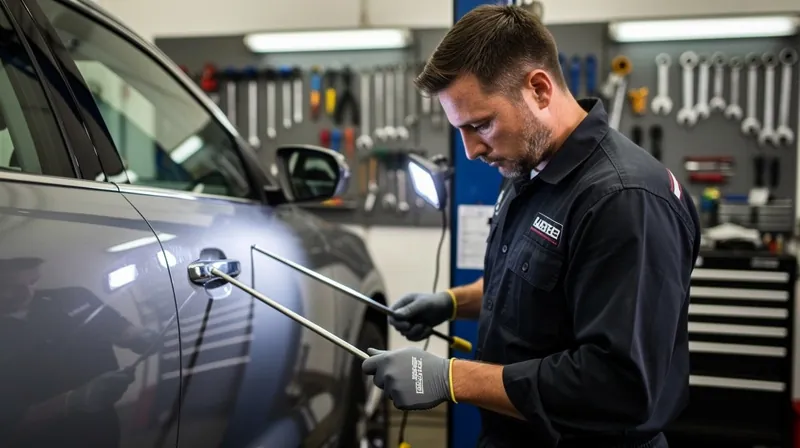
Paintless dent repair (PDR) is the most common and cost-effective method for fixing hail damage, and understanding its pricing is critical for your cost-benefit analysis. PDR uses specialized metal rods and tools to gently push dents out from behind the panel without sanding, filling, or repainting the surface. Costs typically run 50–70% less than traditional bodywork because no paint or filler materials are used.
The average hail damage repair using PDR ranges from $1,000 to $6,000 depending on the number and severity of dents, your vehicle’s size, and the complexity of the affected panels. Insurers typically prefer PDR because it preserves the original factory paint — an important factor in the vehicle’s resale value.
One critical caveat: ensure the body shop you choose specializes in PDR. Improper technique can stretch the metal, cause paint cracking, or worsen the damage. Always check reviews and ask specifically about the technician’s PDR certification before authorizing repairs.
The Step-by-Step Hail Damage Claim Process
Filing a successful hail damage claim requires more than just calling your insurer. A structured approach — starting the moment the storm passes — protects your claim, speeds up processing, and ensures you receive the full payout you are entitled to. Here is exactly what to do and when to do it.
Documenting the Damage
Documentation is the foundation of any successful hail damage claim. Adjusters look for evidence that ties the damage directly to a specific storm event. The stronger your documentation, the harder it is for an insurer to dispute or undervalue your claim.
Start immediately after the storm passes and it is safe to go outside:
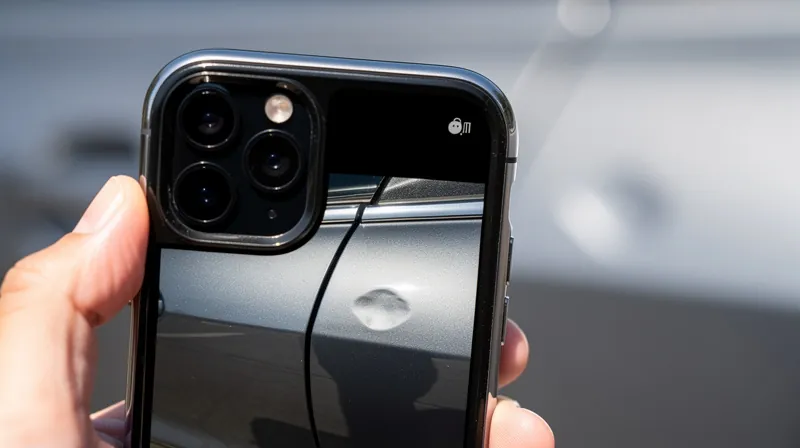
- Photograph and video every dent from multiple angles, in good lighting. Use a light reflector board or flashlight at an angle to make dents more visible on camera.
- Capture the weather context — screenshot a weather app or news report showing the storm cell, date, time, and location. This establishes that a hail event actually occurred.
- Document all affected areas — hood, roof, trunk lid, side panels, mirrors, glass, and lights. Leave nothing out; you cannot add items to a claim after the adjuster’s inspection is complete.
- Get a written repair estimate from a trusted body shop before you call your insurer. This independent figure gives you a negotiating baseline if the adjuster’s assessment comes in low.
Claim Filing Deadlines and Timeframes
There is no universal federal deadline for filing a hail damage claim, but that does not mean time is on your side. Most insurers recommend filing within a few days to a week of the storm, and many policies contain language that voids or reduces claims for “unreasonably delayed” reporting. State statutes of limitations for insurance claims typically range from one to six years, but practical filing windows are far shorter.
Delaying your claim creates two significant risks:
- Pre-existing damage disputes: The longer you wait, the easier it is for an adjuster to argue that some dents or scratches existed before the storm.
- Extended processing times: During peak hail seasons — typically spring and early summer — insurers handle thousands of claims simultaneously. Filing late puts you further back in the queue, potentially adding weeks to your repair timeline.
The safest approach: file within 24 to 48 hours of the storm, even if you are still gathering all your documentation.
Working with an Insurance Adjuster
Once your claim is filed, your insurer will assign an insurance adjuster to inspect your vehicle and assess the damage. The adjuster’s report directly determines your payout, so this step deserves careful attention.
Key strategies for the adjuster inspection:
- Be present if at all possible. Walk the adjuster around the vehicle yourself and point out every damaged area. Do not assume they will find everything independently.
- Bring your independent repair estimate. If the adjuster’s figure is significantly lower, presenting a written counter-estimate from a reputable shop opens the door to negotiation or a supplemental claim.
- Review the adjuster’s written report thoroughly before signing anything. Check that every dent, scratched panel, and broken component is itemized. Missing items are difficult to add after the fact.
- If you disagree with the assessment, most policies include an appraisal clause that allows you to hire an independent appraiser at your own expense to resolve disputes.
Types of Damage Covered and Repair Options
Comprehensive auto insurance covers a broad range of hail-related damage, from the obvious dents on your hood and roof to subtler damage on glass, mirrors, and trim. Knowing exactly what is — and is not — covered helps you ensure nothing is overlooked during the adjuster’s inspection.
Windshield and Glass Coverage
Windshield replacement is one of the most common hail damage repairs, and many policies treat glass coverage as a special category. A significant number of comprehensive policies include a $0 deductible specifically for glass claims, meaning your windshield can be replaced at no out-of-pocket cost to you. This is sometimes called “full glass coverage” and is worth confirming on your policy declarations page.
Beyond the financial aspect, a cracked or shattered windshield is a safety issue that should be prioritized:
- Windshields provide up to 30% of a vehicle’s structural integrity in a rollover accident.
- Even small cracks can spread rapidly with temperature changes and vibration.
- Side windows and rear glass damaged by hail are also typically covered under comprehensive.
Body Panels, Paint, and Mirrors
Standard hail damage to body panels — including the hood, roof, trunk lid, door panels, and fenders — is fully covered under comprehensive insurance. Coverage extends to deep scratches that penetrate through the clear coat and into the base paint or bare metal, requiring repainting rather than PDR.
Additional components typically included in a hail claim:
- Side mirrors: Mirror housings and glass are covered if cracked or shattered by hail impact.
- Headlights and taillights: Plastic lenses cracked by hail impacts are generally covered.
- Sunroofs and moon roofs: Cracked or shattered glass panels are treated similarly to windshields.
One important limitation: for older vehicles, insurers may use aftermarket or salvage parts rather than original equipment manufacturer (OEM) parts to keep repair costs in line with the car’s actual cash value. If your policy specifies OEM parts, confirm this is being honored during the claims process.
Rental Car Reimbursement and Mobility Options

Rental car reimbursement is an optional add-on coverage that pays for a replacement vehicle while your car is being repaired. After a regional hail storm, body shops can become overwhelmed with hundreds of vehicles simultaneously — repair timelines of two to four weeks are not uncommon. Without rental reimbursement, that means weeks of daily rental fees coming directly out of your pocket.
Rental Car Reimbursement Options
This coverage is typically available for a modest additional premium — often as little as $5 to $15 per month. It reimburses you for rental costs up to a specified daily limit and maximum total period. Common policy structures include:
- Daily limits: $30–$50 per day is standard, though some policies go higher.
- Maximum rental period: Usually 30 days, though this varies by insurer.
- Coverage trigger: Rental reimbursement only kicks in when your vehicle is in the shop for a covered claim — it does not apply to mechanical breakdowns.
In hail-prone regions, this add-on pays for itself with a single use. A standard economy rental car costs $50 to $90 per day in most markets. Three weeks of repairs without coverage could cost you $1,000 to $1,900 in rental fees alone — far exceeding years of premium payments for the add-on.
Getting Around While Your Car is in the Shop
If you do not have rental reimbursement coverage, you still have options to minimize out-of-pocket transportation costs:
- Ask the repair shop about loaner vehicles. Some high-volume body shops maintain a small fleet of loaner cars for customers with lengthy repairs. It never hurts to ask.
- Use rideshare services strategically. Apps like Uber and Lyft can be cost-effective for shorter commutes if you do not need a vehicle all day.
- Negotiate a repair timeline. If parts are readily available, ask the shop to prioritize your vehicle to shorten the rental period.
- Check credit card benefits. Some premium credit cards include rental car coverage or travel inconvenience protections that may partially offset costs.
Impact on Insurance Premiums

One of the most common concerns drivers have about filing a hail damage claim is whether it will cause their insurance premium to increase. The good news is that hail claims are treated more favorably than at-fault accident claims. The more nuanced truth is that a premium impact — however modest — is still possible, and understanding the mechanics helps you plan accordingly.
Does a Hail Claim Raise Your Rates?
Hail damage claims are classified as not-at-fault events because they result from a weather occurrence, not a driving error. Most states prohibit insurers from applying the same surcharges used for at-fault accidents to comprehensive claims. Your driving record is not affected, and your claim-free discount may remain intact depending on your insurer’s specific policy language.
However, insurers do conduct periodic file reviews, and a comprehensive claim can still factor into their overall risk assessment of you as a customer. The potential rate impact varies:
- A single hail claim: typically a 0–10% premium increase, if any, depending on your insurer and state regulations.
- An at-fault accident, by comparison, can raise rates by 20–50% or more.
- Some insurers offer “claim forgiveness” provisions that waive any increase for a first comprehensive claim.
Avoiding Rate Hikes After Multiple Claims
The risk profile changes significantly when multiple claims are filed within a short period. Filing two or three comprehensive claims within 24 to 36 months — even all for weather-related events — can prompt an insurer to flag your policy for non-renewal at the end of your term.
Strategies to protect your rate stability:
- Pay out of pocket for minor damage when repair costs are close to your deductible, preserving your claim history for truly significant losses.
- Bundle your home and auto insurance with the same carrier. Multi-policy holders are statistically less likely to face non-renewal and sometimes have access to loyalty rate protections.
- Ask about claim forgiveness when you first purchase or renew your policy — adding this protection is far easier before a claim is filed than after.
- If you do face a rate hike, shop your policy at renewal. A clean driving record is your strongest asset when comparing quotes across insurers.
Total Loss Scenarios and Payouts
In severe hail storms, the damage can be extensive enough that your insurer determines it is more economical to declare your vehicle a total loss rather than authorize repairs. This outcome surprises many drivers — especially when their car still starts and drives — but it follows a clear financial formula established by your policy and state regulations.
When is a Car Considered Totaled?
A vehicle is declared a total loss when the estimated cost to repair it plus its salvage value exceeds its actual cash value (ACV) at the time of the loss. Many states set a specific “total loss threshold” — commonly between 70% and 100% of the vehicle’s pre-damage ACV. If your car is worth $12,000 and repairs would cost $9,500, your insurer may well total the vehicle rather than pay for the work.
Key points about total loss determinations from hail:
- Severe hail can cause cumulative structural and cosmetic damage across every body panel, quickly exceeding repair thresholds even without engine or mechanical damage.
- If your vehicle is totaled, you retain the right to keep the salvage in most states, though your payout will be reduced by the salvage value.
- You are not required to use the payout to purchase a replacement vehicle — the money is yours to use as you see fit.
Actual Cash Value vs. Replacement Cost
Actual cash value (ACV) is the market value of your vehicle immediately before the hail storm, accounting for depreciation, mileage, condition, and local market data. This is what your insurer pays out for a total loss under standard comprehensive coverage — not what you paid for the car, and not what it would cost to buy an equivalent vehicle today.
For drivers who owe money on a car loan or lease, this distinction is critically important. If your vehicle is totaled and the ACV payout is less than your remaining loan balance, you are responsible for covering the difference out of pocket — a situation called being “upside down” on your loan.
Gap insurance bridges exactly this difference. It pays the gap between what your comprehensive insurer pays (ACV) and what you still owe your lender. Gap coverage is typically offered by lenders at loan origination and is inexpensive relative to the financial protection it provides. If you are financing or leasing a vehicle — especially a newer one that depreciates quickly — gap insurance is worth serious consideration.
Frequently Asked Questions
Is it worth claiming hail damage to a car?
Filing a hail damage claim is worth it when the cost of repairs significantly exceeds your deductible — generally when you are looking at $2,000 or more in damage with a $500 to $1,000 deductible. For minor damage where repair costs only slightly exceed your deductible, the modest insurance payout may not justify the potential long-term premium impact or the risk of flagging your policy for review. Always get an independent repair estimate before deciding.
Does my insurance go up if I claim hail damage?
Hail damage claims are not considered at-fault accidents, so they do not typically trigger the major surcharges associated with collision claims. However, some insurers may apply a modest rate adjustment — often 0 to 10% — as part of a broader file review after any comprehensive claim. Filing multiple hail claims within a short period carries a greater risk of rate increases or non-renewal than a single isolated claim.
How long do I have to claim hail damage on my car?
While state statutes of limitations for insurance claims can extend from one to six years, most insurers strongly recommend — and many policies effectively require — filing within days of the storm. Delaying more than a week or two creates real risk: adjusters can dispute whether damage is hail-related or pre-existing, and peak-season backlogs mean later claims take longer to process. File within 24 to 48 hours whenever possible.
Do you pay a deductible for hail damage on a car?
Yes, your comprehensive deductible applies to hail damage claims just as it would for any other covered event. Standard comprehensive deductibles range from $250 to $1,500 or more, and you pay this amount regardless of fault. The one notable exception is glass-only claims — many policies include a separate $0 deductible for windshield replacement specifically.
What is the difference between comprehensive and collision coverage?
Comprehensive coverage pays for damage to your vehicle caused by events outside your control — including weather events like hail storms, theft, fire, flooding, and animal strikes. Collision coverage pays for damage resulting from your vehicle making physical contact with another vehicle or object while driving. Hail damage falls exclusively under comprehensive; collision coverage does not apply to weather-related incidents.
Can I get money instead of repairs for hail damage?
In most cases, your insurer will pay you the actual cash value of the repairs rather than requiring you to use a specific shop — giving you flexibility in how you use the funds. However, if your vehicle is financed, your lender may have stipulations requiring the money to be used for repairs to protect their collateral interest in the vehicle. Review your loan agreement and discuss options with your insurer before making a decision.
Does hail damage affect car insurance rates?
Hail damage claims generally have a smaller impact on insurance premiums than at-fault accidents because they are classified as weather-related, non-fault events. A single hail claim typically results in little to no rate change, depending on your insurer and state regulations. Multiple comprehensive claims within a two-to-three year period, however, carry a higher risk of premium increases or policy non-renewal.
How much does it cost to fix hail damage?
Hail damage repair costs vary widely based on the number and size of dents, the vehicle’s size, and the repair method used. Paintless dent repair — the most common approach — typically ranges from $1,000 to $6,000 for moderate storm damage. Severe hail events that require panel replacement or repainting can push costs significantly higher, sometimes exceeding a vehicle’s actual cash value and triggering a total loss determination.
Does comprehensive insurance cover windshield replacement?
Yes, windshield replacement caused by hail is covered under comprehensive auto insurance. Many policies include a separate glass coverage provision with a $0 deductible, meaning you may pay nothing out of pocket for windshield replacement specifically. Check your policy declarations page or contact your insurer directly to confirm whether your comprehensive coverage includes zero-deductible glass coverage.
What should I do immediately after a hail storm?
Once it is safe to go outside, photograph and video every panel of your vehicle from multiple angles to document the full extent of the damage. Screenshot a weather app or local news report confirming the storm event, date, and location to establish the cause of damage. Then obtain an independent written repair estimate from a trusted body shop before contacting your insurer — this evidence forms the backbone of a successful claim.