
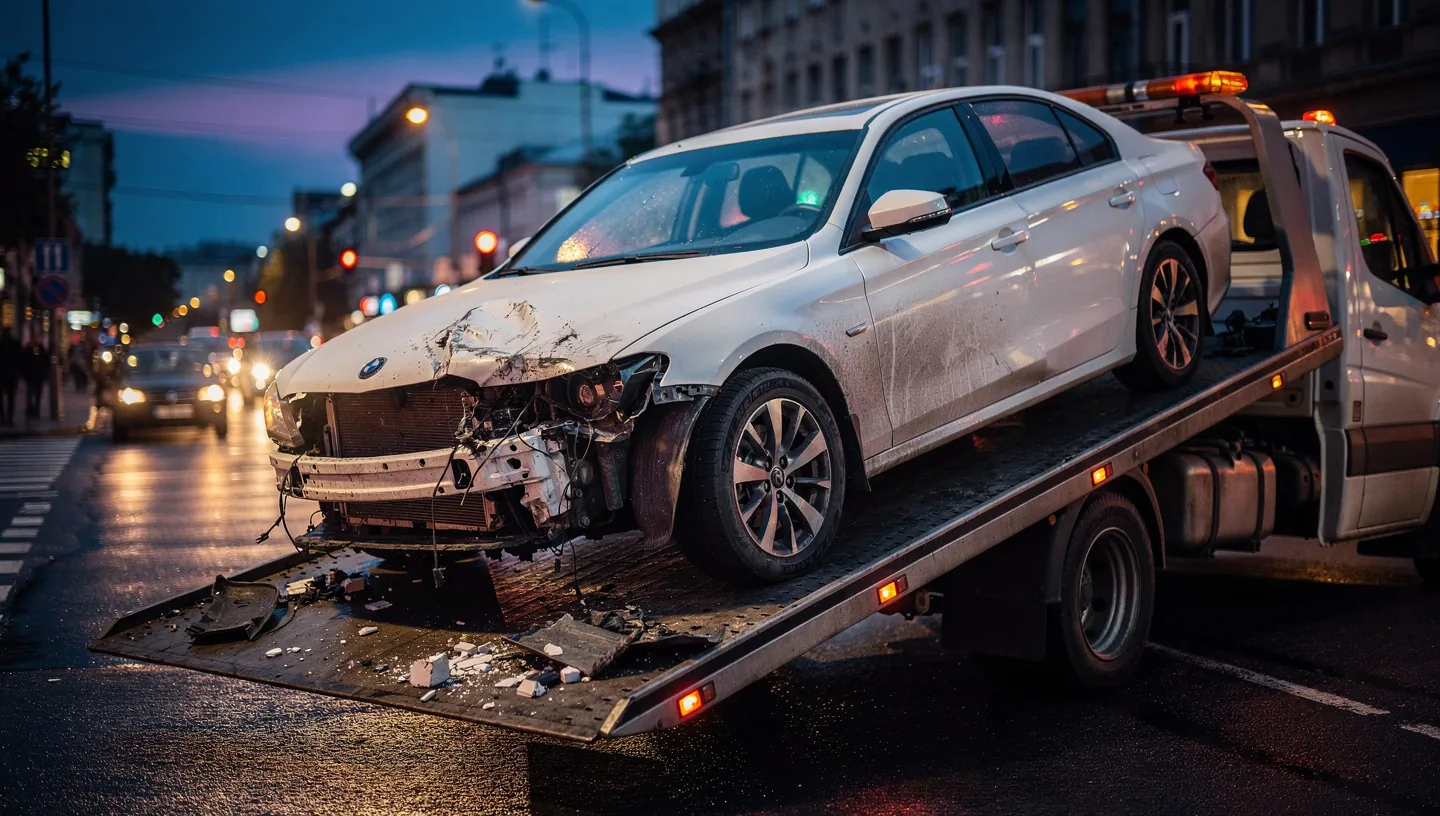
When your car is totaled, the financial shock can hit harder than the accident itself. You’ve just lost your vehicle, and now you discover you still owe thousands of dollars on a loan for something that no longer exists. Gap insurance is designed specifically to solve this problem — it covers the difference between your car’s Actual Cash Value (ACV) and the remaining balance on your loan or lease, protecting you from negative equity.
The core issue is depreciation. Standard collision coverage or comprehensive coverage only pays what your car is worth at the time of the accident — not what you paid for it. Because new vehicles can lose 20–30% of their value in the first year alone, that insurance payout is frequently lower than your outstanding loan balance. Without gap coverage, you’re left paying the difference out of pocket.
Understanding exactly how the claim process unfolds — step by step, number by number — is the difference between walking away clean and carrying a debt load for a car you no longer own. This guide breaks down every stage of the process, including the math behind the payout, what the policy won’t cover, and how to make sure you’re not overpaying for the protection you need.
Key Takeaways
- Gap insurance activates only after your primary collision or comprehensive insurance pays the Actual Cash Value (ACV) minus your deductible.
- The payout goes directly to your lienholder, not to you — it eliminates the debt, it doesn’t put cash in your pocket.
- You are still responsible for your deductible, which must be paid out of pocket before gap coverage applies.
- New cars depreciate 20–30% in the first year, making gap insurance most critical immediately after purchase.
- Dealer-sold gap policies are often 50–100% more expensive and carry stricter exclusions than policies purchased through a standard insurer.
- Electric vehicles face accelerated depreciation risks, sometimes losing 40–50% of value in three years, requiring specialized gap coverage.
- You can — and should — cancel gap insurance once your loan balance drops below your car’s current ACV.
What Is Gap Insurance and How Is a Car Defined as ‘Totaled’?
Gap insurance bridges the financial shortfall between what your car is worth and what you still owe on it. It activates exclusively in a total loss scenario — meaning it only pays out when your primary insurer declares the vehicle a total loss and issues a settlement based on the car’s depreciated market value, which is nearly always less than the remaining loan or lease balance.
A vehicle is declared a total loss when the estimated repair costs exceed a set percentage of its vehicle value, typically between 70% and 80% depending on state law. Once that threshold is crossed, the insurer doesn’t pay to fix the car — they pay you (or your lender) the car’s market value and take the vehicle. The car then receives a salvaged title, which permanently marks the vehicle’s history and significantly reduces any future resale or insurance value.
Understanding Actual Cash Value (ACV)
Actual Cash Value is the fair market value of your vehicle at the moment of the loss — not the price you paid, not the balance you owe, and not what it would cost to replace it with a similar new car. Insurers calculate ACV using a combination of factors: your car’s mileage, overall condition, trim level, and local market pricing data from comparable vehicles in your area.
This is precisely where the gap problem originates. Because ACV reflects depreciation that has already occurred, a car you purchased for $35,000 a year ago might have an ACV of just $27,000 after 12 months of normal use. If you financed most of that purchase price, your loan balance hasn’t dropped nearly as fast as the car’s value has fallen. That difference is the financial gap that gap insurance is built to close.
The 70–80% Total Loss Threshold
Most states use a total loss threshold between 70% and 80% of the vehicle’s ACV. For example, Missouri applies an 80% threshold — meaning a car worth $25,000 would need at least $20,000 in estimated repairs before it’s declared a total loss. Other states, such as Texas and California, use lower thresholds or a different calculation method entirely.
Understanding your state’s specific rule matters because it affects how quickly you can expect a total loss determination after an accident. In states with higher thresholds, a more severely damaged vehicle might be repaired instead of totaled, which means gap insurance wouldn’t activate at all. Knowing this threshold helps you anticipate when your gap policy will — and won’t — become relevant.
The Step-by-Step Process: How the Claim Works
A gap insurance claim is a two-stage financial transaction: your primary insurer pays the car’s ACV first, and then your gap insurer pays the remaining loan balance to the lender. The money never passes through your hands — both payments are routed directly to the lienholder. The entire process typically unfolds over two to four weeks, depending on how quickly your insurer completes the vehicle appraisal.
Here is a realistic week-by-week timeline to set your expectations:
- Days 1–3: You report the accident and file a claim with your primary auto insurer. The vehicle is towed and inspected.
- Days 4–7: The insurer assigns an adjuster, who assesses the damage and obtains comparable vehicle pricing to calculate ACV.
- Days 8–14: The insurer issues a total loss determination and sends a settlement offer to you and your lienholder.
- Days 15–21: You (or the insurer) contact your gap insurance provider. The gap insurer requests the primary insurer’s settlement letter and your lender’s payoff statement.
- Days 22–30: The gap insurer verifies the figures, calculates the remaining balance, and sends payment directly to the lender.
Step 1: Primary Insurance Payout
You file a claim under your collision coverage (for an accident) or comprehensive coverage (for theft, weather, or another non-collision event). The insurer inspects the vehicle, determines the ACV, and issues a check for the ACV minus your deductible. This payment goes directly to the lienholder on your loan, not to you.
Example: Your car has an ACV of $25,000. Your deductible is $500. Your primary insurer sends $24,500 to your lender.
Step 2: The Gap Calculation
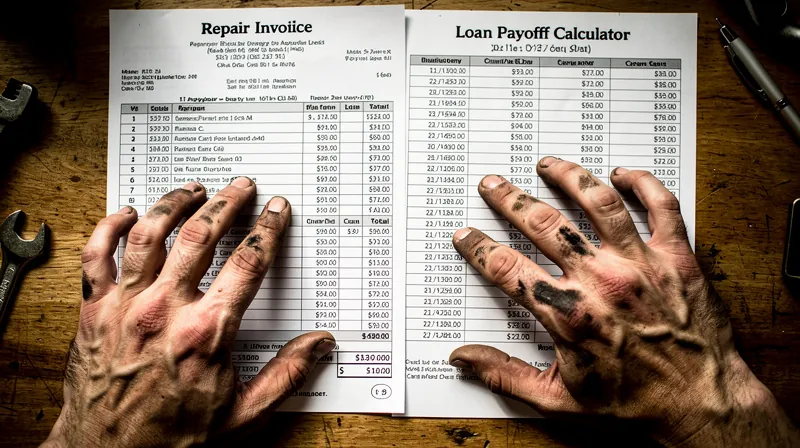
The gap is the difference between your outstanding loan balance and the net insurance payout after the deductible is subtracted. Your gap insurer will request the official payoff statement from your lender and the settlement documentation from your primary insurer to perform this calculation precisely.
Using the same example:
| Item | Amount |
|---|---|
| Outstanding loan balance | $30,000 |
| Car’s Actual Cash Value (ACV) | $25,000 |
| Primary insurance payout (ACV – deductible) | $24,500 |
| Gap amount owed | $5,500 |
| Gap insurance pays | $5,500 |
| Out-of-pocket deductible (your responsibility) | $500 |
The formula is straightforward: Gap Payout = Loan Balance − (ACV − Deductible). Most gap policies cover up to 25% of the vehicle’s original MSRP or the full dollar amount of the gap, whichever limit applies in your policy. Always verify your policy’s specific cap before assuming full coverage.
Step 3: Lender Payout and Loan Clearance
Once both checks — from the primary insurer and the gap insurer — are received by the lienholder, they are applied directly to your loan balance. In most cases, this brings the balance to zero, and the lender issues a loan satisfaction notice. You are free from any further obligation on that vehicle.
However, if there are any remaining balances that exceed your gap policy’s coverage limit — such as rolled-over debt from a previous loan or certain fees — those amounts become your personal responsibility. This is why reading your policy’s exclusions carefully matters before you ever need to file a claim.
EV-Specific Depreciation Risks
Electric vehicles depreciate significantly faster than gasoline-powered cars, often losing 40–50% of their value within the first three years. Models like early-generation EVs have seen steep secondary-market value drops as newer technology and increased competition drove down resale prices rapidly. This creates a substantially larger potential gap than most buyers anticipate at the time of purchase.
The risk is compounded by battery replacement costs. A degraded EV battery can cost $10,000 to $20,000 to replace — a cost that is not covered by gap insurance, since gap only addresses loan debt, not repair expenses. Additionally, if the battery’s condition is factored into a lower ACV at the time of total loss, the gap between the ACV and the loan balance widens further. Some insurers are now developing specialized EV gap policies that account for these unique depreciation curves. If you’re financing an electric vehicle, verify that your gap coverage explicitly addresses EV-specific depreciation scenarios.
Crucial Details: Deductibles and Out-of-Pocket Costs
Gap insurance does not pay your deductible — this is one of the most common and costly misconceptions about the product. Your deductible is the fixed amount you agreed to pay before your primary insurance coverage activates. It is your financial contribution to the claim, and it is entirely separate from the gap calculation. You will owe it regardless of the gap payout.

Who Pays the Deductible?
You pay the deductible directly — it is subtracted from the primary insurance payout before any gap calculation begins. Think of it this way: gap insurance is a debt-relief tool, not an accident-expense tool. It is engineered to eliminate the loan balance shortfall, not to reimburse you for the costs of the accident itself.
This distinction matters practically. If your deductible is $1,000 instead of $500, the net payout from your primary insurer drops by that additional amount — which means the gap your gap insurer must cover actually increases by $500. Choosing a lower deductible on your primary auto policy can therefore reduce both your out-of-pocket cost and the overall gap calculation.
Hidden Costs and Fees
Several common loan-related charges are explicitly excluded from most gap insurance policies. Being unaware of these exclusions has left many drivers with unexpected balances even after their gap coverage paid out. Watch out for the following:
- Rolled-over negative equity: If you owed money on your previous car and folded that balance into your new loan, most gap policies will not cover that portion of the debt.
- Late payment penalties: Any fees accrued due to missed payments on your loan are excluded from gap coverage.
- Extended warranty or add-on fees: Costs financed into the loan for dealer add-ons like paint protection or extended warranties are typically not covered.
- Excessive mileage charges (on leases): If you exceeded the mileage allowance on a lease, those charges are your responsibility.
- Loan origination fees: Certain administrative fees rolled into the loan balance may fall outside the policy’s coverage scope.
Your credit score can also play an indirect role here. Borrowers with lower credit scores typically receive higher interest rates, which means their loan balance decreases more slowly relative to their vehicle’s depreciating value. This can widen the gap over the loan term, making it even more critical to have coverage — and to understand exactly what that coverage includes.
What Gap Insurance Does Not Cover (Exclusions)
Gap insurance is narrowly designed to eliminate loan or lease debt after a total loss — it is not a broad financial safety net for any loss connected to your vehicle. It does not pay for rental cars while you’re without transportation, medical bills resulting from an accident, repairs on a vehicle that survives the crash, or any costs associated with the accident itself beyond the loan payoff obligation.
Non-Total Loss Scenarios
If your car is not declared a total loss, gap insurance pays nothing — full stop. Even if the repair costs are substantial and the vehicle’s resale value drops significantly afterward, the policy remains entirely dormant. Gap coverage has one specific trigger: a total loss declaration from your primary insurer.
A common scenario that confuses policyholders involves vehicle theft. If your car is stolen and then recovered — even if it’s recovered in damaged condition — your comprehensive coverage handles the repair costs, but gap insurance does not activate. Gap insurance only triggers when the vehicle is permanently gone from the insurer’s perspective: officially declared a total loss, title transferred, and no path to repair.
Post-Repair Value Issues
Gap insurance does not compensate for the “diminished value” of a vehicle after a major accident, even if the car was repaired and returned to you. Diminished value refers to the reduction in resale price that a vehicle suffers simply because it now has an accident history — even after professional repairs. This loss is real and measurable, but it falls entirely outside the scope of what gap coverage addresses.
This is one of the most frequent points of confusion among policyholders. A driver may assume that because their loan balance still exceeds the repaired car’s market value, gap insurance should provide some benefit. It doesn’t. Gap insurance protects the loan, not the trade-in value. Once a car is repaired and returned to service, the policy provides zero additional coverage regardless of the vehicle’s post-repair market position.
Dealer-Sold GAP vs. Insurer GAP: Which Is Better?
In nearly every case, purchasing gap insurance through your auto insurer is more cost-effective and more transparent than buying it from the dealership at the time of sale. Dealer-sold gap policies are frequently marked up by 50–100%, with stricter exclusions and less flexibility. The dealership presents the add-on during a high-pressure finance office transaction — which is precisely the worst time to evaluate a complex insurance product.
The High Cost of Dealer Markups
Dealer gap policies typically cost between $500 and $700 as a lump sum financed into your loan — meaning you also pay interest on the insurance itself. By contrast, adding gap coverage to an existing auto insurance policy from a major insurer typically costs $20 to $40 per year, or roughly $3 to $5 per month. Over a typical five-year loan term, the cost difference can exceed $600 even before accounting for the interest paid on the financed dealer premium.
Beyond cost, dealer gap policies often contain exclusions that aren’t clearly explained during the sale. Many explicitly exclude coverage for rolled-over negative equity from a prior vehicle — which is, ironically, one of the most common reasons someone needs gap insurance in the first place. Consumer advocates consistently recommend declining the dealer’s gap offer and shopping independently before or immediately after the vehicle purchase.
Embedded GAP and State Regulations
An emerging trend is “embedded” gap insurance, where coverage is bundled directly into the loan product by the lender and reflected in the monthly payment. This model is growing in popularity among credit unions and some national banks because it removes the dealer markup entirely and provides automatic coverage for all financed borrowers. If you’re financing through a lender that offers embedded gap, the coverage may already be in place without a separate purchase.
Regulatory oversight of gap insurance is intensifying. The Consumer Financial Protection Bureau (CFPB) proposed new guidelines in 2025 aimed at capping dealer markups on add-on insurance products and requiring clearer disclosures at the point of sale. These regulations are specifically designed to address the transparency gap between dealer-sold products and independently purchased policies. Before signing any finance paperwork, review your loan documents carefully — you may already be paying for gap insurance without realizing it, or you may be paying significantly more than the product is worth.
Who Needs Gap Insurance? Risk Factors and Statistics
Gap insurance is most valuable for buyers who financed a new vehicle with a small down payment, a long loan term, or both. These conditions create the steepest and most prolonged period of negative equity — the window of time during which you owe more on the loan than the car is worth. The larger and longer that window, the more financial exposure gap insurance protects against.

High-Risk Profiles
The following buyer profiles represent the strongest candidates for gap coverage:
- Down payment under 20%: A low initial investment means the loan balance starts very close to — or even above — the vehicle’s purchase price, with almost no equity buffer.
- Loan terms of 72 months or longer: Extended financing (84-month loans are increasingly common) stretches the negative equity period dramatically because principal pays down very slowly in early months.
- New car buyers: The steepest depreciation occurs in the first 12–18 months of ownership, precisely when loan balances are still highest.
- Leased vehicles: Most lease agreements either require gap coverage or already include it, because the residual value and lease payoff rarely align with ACV in a total loss.
- EV purchasers: As discussed above, accelerated depreciation makes gap coverage particularly critical for electric vehicle financing.
- Borrowers who rolled negative equity forward: If you carried an existing loan deficit into a new car purchase, you started the loan already upside down.
Used Cars and Gap Insurance
Gap insurance is generally unnecessary for used vehicles because their depreciation curve has already flattened significantly. A three-year-old car loses value much more gradually than a new one, which means the loan balance and ACV tend to stay in closer alignment throughout the financing term. For most used car buyers making reasonable down payments on standard loan terms, the gap risk is minimal or nonexistent.
That said, there are exceptions worth considering. A used car financed with a very long term (72+ months), a minimal or zero down payment, or a high interest rate due to a lower credit score can still create meaningful negative equity exposure, particularly in the first year of the loan. In those specific scenarios, a brief period of gap coverage — canceled once equity improves — may be a prudent and low-cost precaution.
Frequently Asked Questions
Do you ever get money back from gap insurance?
You may receive a partial refund if you cancel your gap insurance policy before the loan term ends. Most insurer-issued gap policies are prorated, meaning if you cancel after 18 months of a 60-month policy, you could receive a refund for the remaining unused portion. Dealer-financed gap policies may also issue refunds, but the process typically requires contacting the dealership’s finance office and the cancellation terms are often less favorable. Always request written confirmation of the refund amount before canceling.
At what point is gap insurance not worth it?
Gap insurance is no longer worth carrying once your loan balance drops below your car’s current Actual Cash Value. At that point, you have positive equity — meaning your primary insurance payout would cover the full loan payoff in a total loss scenario. You can check this by comparing your lender’s current payoff quote against your car’s current market value using tools like Kelley Blue Book or Edmunds. For most standard loans, this crossover point typically occurs between 24 and 36 months into the loan term.
How much does gap insurance pay for a total loss?
Gap insurance pays the exact difference between your primary insurance payout (ACV minus your deductible) and your outstanding loan or lease balance, up to the policy’s maximum limit. Most policies cap coverage at 25% of the vehicle’s original MSRP, so if the gap exceeds that threshold — which is uncommon but possible with heavily depreciated EVs or large rolled-over balances — you would be responsible for the remainder. There is no standard fixed dollar amount; every payout is specific to the individual vehicle, loan, and settlement figures.
Why didn’t my gap insurance pay?
The most common reasons gap insurance claims are denied include: the vehicle was not declared a total loss, the gap amount exceeded the policy’s coverage cap, or the remaining balance included excluded items like rolled-over debt or financed add-ons. Other denial reasons include filing the gap claim before the primary insurance settlement was finalized, the policy lapsing due to non-payment, or the claim being filed for a non-covered cause of loss. If your claim was denied, request a written explanation and compare it against your policy’s exclusions section — errors in denial are possible and worth disputing.
Do I need gap insurance if I have full coverage?
“Full coverage” — typically a combination of collision, comprehensive, and liability — only pays the Actual Cash Value of your vehicle, not the outstanding loan balance. Full coverage does not include gap protection unless you specifically add it. If you’re financing a new car and owe more than it’s currently worth, you need gap insurance in addition to full coverage to be fully protected against a total loss scenario.
Does gap insurance cover a leased car?
Yes — and most lease agreements either require gap insurance or bundle it into the lease terms automatically. In a lease total loss, the gap is calculated between the car’s ACV and the remaining lease payoff amount, which includes future payments and any residual value obligations. Check your lease agreement carefully to determine whether gap is already included before purchasing a separate policy.
How long does gap insurance last?
Gap insurance lasts for the duration of your loan or lease term, or until you cancel it because you’ve reached positive equity. There is no fixed expiration date tied to the calendar — coverage continues as long as you’re making payments and maintaining the policy. You should monitor your loan balance versus your vehicle’s market value periodically and cancel the gap policy (and request any applicable refund) once you owe less than the car is worth.
Can I cancel gap insurance early?
Yes, you can cancel gap insurance at any time — and you should do so once your loan balance falls below your car’s current ACV. For insurer-sold policies, cancellation is typically handled through your insurer directly and may trigger a prorated refund. For dealer-sold policies, cancellation requests are usually processed through the dealership’s finance office or the third-party gap administrator identified in your contract. Always get the cancellation confirmation and any refund amount in writing.
What is a total loss claim?
A total loss claim is filed when your primary insurer determines that the cost to repair your vehicle exceeds the state’s defined threshold — typically 70–80% of the car’s ACV — making repair economically impractical. In this scenario, the insurer pays you (or your lienholder) the vehicle’s ACV, takes possession of the vehicle, and the car is assigned a salvaged title. This total loss declaration is the required trigger for any gap insurance payout.
Does gap insurance cover a stolen car?
Gap insurance covers a stolen vehicle only if the car is never recovered and your comprehensive coverage declares it a total loss. If your insurer pays out the ACV under comprehensive coverage for an unrecovered theft, the gap calculation proceeds exactly as it would for an accident. However, if the stolen car is later recovered — even in damaged condition — gap insurance does not pay anything, because a recovered vehicle may be repaired rather than totaled.
Is gap insurance tax deductible?
Gap insurance premiums are generally not tax deductible for personal vehicles used for personal purposes. However, if the vehicle is used for business purposes and the gap insurance is part of a legitimate business expense, a deduction may be available under business auto insurance rules. Consult a qualified tax professional to evaluate whether your specific situation qualifies, as IRS rules regarding vehicle-related deductions are nuanced and situation-dependent.
Does gap insurance cover a new car?
Yes — new cars are actually the primary use case for gap insurance, given the steep depreciation that occurs in the first 12–18 months of ownership. A new vehicle can lose 15–25% of its value the moment it leaves the dealership, immediately creating a gap between its ACV and the outstanding loan balance. Gap insurance is most cost-effective and most necessary when purchased alongside a new car financing agreement, particularly for buyers making low down payments or taking extended loan terms.