
When you pick up the keys at an Enterprise counter, the agent will offer you several optional protection products — but understanding exactly what each one covers (and what it doesn’t) can save you hundreds of dollars and serious financial stress. Enterprise car rental insurance encompasses four core products: a Damage Waiver (DW), Supplemental Liability Protection (SLP), Personal Effects Coverage (PEC), and Roadside Assistance Protection (RAP).
One of the most critical distinctions to grasp immediately is that Enterprise’s flagship product — the Damage Waiver — is not technically insurance. It’s a contractual agreement in which Enterprise waives its right to hold you financially responsible for damage to the vehicle. This matters legally and practically when a claim is filed. Meanwhile, SLP functions as true primary liability insurance, stepping in before your personal auto policy when a third party is injured or their property is damaged.
Coverage also varies significantly depending on where you’re driving, what you’re driving, and which products you’ve selected. A standard car rental in California operates under very different rules than a truck rental in Texas or an international trip to Mexico. Before you decline — or accept — any coverage at the counter, you need the full picture.
Key Takeaways
- Damage Waiver (DW) covers vehicle damage and theft but is a waiver, not insurance; Supplemental Liability Protection (SLP) covers third-party liability up to $300,000 (or $1,000,000 for trucks).
- Personal Effects Coverage (PEC) protects your luggage and electronics for all occupants, while Roadside Assistance Protection (RAP) handles flat tires, jump-starts, and lockouts.
- Declining coverage at pickup is possible but carries real financial risk; credit card benefits typically serve only as secondary collision damage coverage.
- Key exclusions include rentals outside the US and Canada, driver intoxication, off-road driving, and certain acts of negligence — meaning DW does not eliminate all liability.
- Enterprise’s Business Rental Program offers fleet-wide savings and distinct liability limits compared to standard consumer plans, making it worth evaluating for frequent corporate travelers.
Enterprise Protection Products: DW, SLP, and PEC Explained

Enterprise offers four primary optional protection products for standard car rentals: the Damage Waiver, Supplemental Liability Protection, Personal Effects Coverage, and Roadside Assistance Protection. A fifth product, Personal Accident Insurance (PAI), provides medical benefits for the renter and passengers but has limited availability — it’s most commonly offered at Enterprise Truck Rental locations rather than standard car rental branches.
Understanding how these products are underwritten is also useful. Enterprise partners with established carriers — most notably Zurich Insurance and Empire Fire and Marine Insurance Company — to back its SLP product. The DW, being a contractual waiver rather than insurance, is not underwritten by a third-party insurer at all; it’s Enterprise itself absorbing the risk.
| Product | Type | Coverage Limit | Underwriter | Primary or Excess? |
|---|---|---|---|---|
| Damage Waiver (DW) | Contractual Waiver | Full vehicle value (with exclusions) | Enterprise (self-insured) | N/A (waiver) |
| Supplemental Liability Protection (SLP) | Insurance | $300,000 CSL (cars); $1,000,000 (trucks) | Zurich / Empire Fire | Primary |
| Personal Effects Coverage (PEC) | Insurance | Varies by policy (typically $600–$1,800) | Third-party carrier | Supplemental |
| Roadside Assistance Protection (RAP) | Service Contract | Per-incident service | Enterprise | N/A (service) |
| Personal Accident Insurance (PAI) | Insurance | Accidental death / medical benefits | Third-party carrier | Supplemental |
Damage Waiver (DW) vs. Collision Damage Waiver
The Damage Waiver is Enterprise’s agreement to waive its right to charge you for collision damage, theft, vandalism, and glass damage to the rental vehicle — provided you haven’t violated the rental agreement terms. Unlike a traditional Collision Damage Waiver (CDW) offered by some insurers or credit cards, Enterprise’s DW is a direct contractual protection, not a separately issued policy.
What DW covers:
- Collision damage to the rental vehicle
- Theft of the entire vehicle
- Vandalism and malicious damage
- Glass breakage and windshield damage
What DW does NOT cover:
- Damage resulting from gross negligence or intentional acts
- Damage from driving on unpaved roads, beaches, or off-road terrain
- Tire damage from under-inflation or road hazards (unless RAP is added)
- Interior damage or personal belongings left in the vehicle
- Damage occurring while the vehicle is used for hire or commercial purposes
Supplemental Liability Protection (SLP)
SLP is primary liability coverage, meaning it pays out before your personal auto insurance policy when you cause bodily injury or property damage to a third party. For standard car rentals, the combined single limit (CSL) is $300,000. For Enterprise Truck Rentals, that limit rises dramatically to $1,000,000, reflecting the higher risk profile of commercial vehicles.
This “primary” status is significant. If you’re in a serious accident, SLP handles the claim first — keeping your personal insurer out of the loop entirely for covered incidents. This protects your personal premium rates and keeps the claims process straightforward. SLP fills the gap that exists between state minimum liability requirements (which can be as low as $15,000/$30,000 in some states) and real-world accident costs.
Personal Effects Coverage (PEC)
PEC protects the personal belongings of the renter, authorized drivers, and passengers against theft or damage during the rental period. This includes laptops, cameras, luggage, and other valuables. Coverage typically applies whether items are stolen from the vehicle or damaged in a covered accident.
A few important nuances to keep in mind:
- PEC is supplemental to other applicable insurance (homeowners, renters, or travel insurance).
- Coverage limits vary by location and rental agreement — confirm the specific limit at your branch.
- Items stolen from an unattended vehicle may be subject to additional conditions regarding how the vehicle was secured.
Liability Coverage Limits and Primary Status
Enterprise’s SLP provides primary third-party liability coverage, which means it pays before any personal auto insurance policy. For standard rentals, the $300,000 combined single limit covers both bodily injury and property damage from a single incident — a meaningful buffer above state minimums but potentially insufficient in high-cost urban accident scenarios.
The “primary” status of SLP is one of its most valuable features. If you rely solely on your personal auto policy for liability during a rental, your insurer becomes the first line of defense — and that can trigger a claims record that affects your premium. With SLP active, Enterprise’s underwriters handle the claim directly up to the policy limits.
Third-Party Liability and Financial Risk
Consider this scenario: you cause a multi-vehicle accident on a Los Angeles freeway, injuring two people and damaging three vehicles. Medical costs, lost wages, and property damage could easily exceed $500,000. Without SLP, your personal auto liability limits — perhaps $100,000 per person — are quickly exhausted, and you’re personally responsible for the remainder.
Key risk factors that make higher liability limits critical:
- Urban areas with high vehicle and property values
- Multi-vehicle accidents where damages compound quickly
- Serious bodily injury claims involving long-term medical care
- Unfamiliar vehicles — rental cars are often larger or handle differently than your personal vehicle
When a claim is filed under SLP, Zurich Insurance or Empire Fire and Marine Insurance Company manages the investigation, negotiation, and settlement process. This professional claims handling is an underappreciated benefit over navigating a claim through your personal insurer.
Truck Rental Liability Differences
Enterprise Truck Rental operates under a separate and more rigorous liability framework. The $1,000,000 SLP limit reflects federal and state requirements for commercial vehicles, the greater damage potential of large trucks, and the higher stakes involved in commercial hauling operations.
Special considerations for truck rentals include:
- Towing equipment: Damage to or caused by towed trailers may require separate coverage evaluation.
- Cargo coverage: SLP does not cover the contents of a rented truck — that requires separate cargo insurance.
- PAI availability: Personal Accident Insurance is more commonly available at truck rental locations.
Waiver vs. Insurance: Is Enterprise Coverage Worth It?
The legal distinction between a waiver and insurance determines how claims are processed, who handles disputes, and what protections you actually have. The DW eliminates your financial obligation to Enterprise for vehicle damage — but it does not provide coverage to third parties or protect your personal belongings. SLP, backed by licensed insurers, provides the regulated insurance protections that a waiver cannot.
The Claims Process: Step-by-Step
Knowing exactly what to do after an incident can significantly reduce stress and financial exposure. Here’s how the process works with Enterprise’s protection products:
- Report immediately: Notify Enterprise at the nearest branch or via their 24/7 hotline. Delayed reporting can jeopardize your DW waiver.
- Call local authorities: For accidents involving injury or significant property damage, obtain a police report. This is required documentation for any SLP claim.
- Document everything: Photograph all vehicle damage, the accident scene, other vehicles involved, and any visible injuries. Exchange insurance information with all parties.
- Do not admit fault: Even casual apologies can be used against you in a liability claim. Let the insurers (Zurich / Empire Fire) make that determination.
- Complete Enterprise’s incident report: This form, combined with your rental agreement, photos, and police report, initiates the formal claim process.
- Cooperate with the adjuster: The assigned claims adjuster from Enterprise’s underwriter will contact you for additional information.
For Roadside Assistance (RAP): Call the number on your rental agreement or the Enterprise app. RAP provides 24/7 dispatch for towing, jump-starts, fuel delivery, and lockouts. Response times vary by location.
Evaluating Cost vs. Coverage
Daily rates for Enterprise’s protection products vary by location, vehicle class, and rental duration, but typical ranges are:
- Damage Waiver: $15–$30 per day for standard vehicles; higher for SUVs and luxury cars
- Supplemental Liability Protection: $12–$16 per day
- Personal Effects Coverage: $2–$5 per day
- Roadside Assistance Protection: $4–$7 per day
On a one-week rental, full coverage can add $200–$400 to your total cost. Whether that’s worth it depends on several factors: the value of your existing coverage, the nature of the trip, and your personal risk tolerance. International travel, unfamiliar driving conditions, and high-value trips are situations where purchasing Enterprise’s protection products often makes financial sense, even if you have personal auto insurance.
If you decline the DW and damage the vehicle, you’ll be responsible for the full repair cost — which could be several thousand dollars — plus potential “loss of use” fees while the car is being repaired, and administrative costs.
Comparing Enterprise Coverage to Personal Auto and Credit Cards
Your personal auto insurance and credit card benefits may already provide some rental car protection — but the extent and priority of that coverage depends heavily on your specific policy and card terms. Enterprise’s SLP is primary, while most personal auto policies and credit card protections are secondary or excess, meaning they only pay after other applicable coverage is exhausted.
Credit Card Coverage: The Secondary Option
Most major credit cards — Visa, Mastercard, and American Express — offer some form of rental car collision damage waiver benefit when you pay for the rental with the card. However, these benefits come with important limitations that are frequently overlooked.
| Coverage Type | Enterprise DW | Visa Signature CDW | Amex Premium CDW | Mastercard CDW |
|---|---|---|---|---|
| Vehicle Damage | Yes (with exclusions) | Yes (secondary) | Yes (primary, if purchased) | Yes (secondary) |
| Theft | Yes | Yes | Yes | Yes |
| Third-Party Liability | No (need SLP) | No | No | No |
| Personal Effects | No (need PEC) | No | No | No |
| Loss of Use Fees | Yes | Often excluded | Varies | Often excluded |
| Primary or Secondary? | Primary (waiver) | Secondary | Primary (add-on fee) | Secondary |
The key gap in credit card coverage is that no standard credit card benefit covers third-party liability or personal effects. If you cause injury to another person or your belongings are stolen from the rental car, your credit card’s CDW benefit won’t help. This means even cardholders with robust collision coverage should consider SLP and PEC separately.
Personal Auto Insurance and Rental Reimbursement
Standard personal auto policies typically extend collision and comprehensive coverage to rental cars used for personal (non-business) purposes. However, the key details lie in how your policy handles deductibles, loss of use, and rental reimbursement.
- Collision coverage: Pays for damage to the rental vehicle, minus your deductible — which you’ll pay out of pocket upfront.
- Comprehensive coverage: Covers theft, weather, and vandalism, also minus your deductible.
- Rental reimbursement clauses: These cover the cost of a replacement rental while your personal car is being repaired — not damage to the rental itself. A typical limit is $40/day up to $1,200.
- State-specific requirements: Some states have minimum liability requirements that affect how personal policies respond during rental periods — consult your insurer for state-specific guidance.
Always check whether your personal policy covers loss of use fees — the daily rate Enterprise charges while the damaged vehicle is out of service. Many personal auto policies explicitly exclude this, leaving renters with unexpected bills of $50–$150 per day during repairs.
Navigating Exclusions, Limitations, and Geographical Differences
Every Enterprise protection product contains specific exclusions that void or limit coverage under defined circumstances. Understanding these exclusions in granular detail — rather than assuming blanket protection — is essential to avoiding costly surprises after an incident.
Detailed Exclusions for SLP and PEC
Enterprise’s protection products are not catch-all safety nets. Here is a product-by-product breakdown of key exclusions:
Damage Waiver (DW) Exclusions:
- Damage caused while the renter or operator was under the influence of alcohol or drugs
- Damage resulting from use of the vehicle for racing, speed testing, or off-road driving
- Damage caused by driving on unpaved roads, beaches, or non-public roads
- Tire damage from road hazards, punctures, or under-inflation (unless RAP is also purchased)
- Damage occurring when an unauthorized driver was operating the vehicle
- Interior damage, including upholstery burns or spills
Supplemental Liability Protection (SLP) Exclusions:
- Incidents involving intoxication by alcohol or controlled substances
- Using the vehicle for hire, delivery, or any commercial transportation purpose (e.g., rideshare driving)
- Racing or any competitive driving activity
- Damage caused by an operator not listed on the rental agreement
- Incidents occurring outside the United States and Canada (Mexico is explicitly excluded)
- Intentional acts of damage
Personal Effects Coverage (PEC) Exclusions:
- Items stored in an unattended, unlocked vehicle
- Theft of items from the trunk if there is no evidence of forced entry
- Cash, tickets, documents, or negotiable instruments
- Fragile items broken due to rough handling (not theft or accident-related)
- Items belonging to non-occupants of the vehicle at the time of the incident
The “Zero Liability” Myth: Many renters assume that purchasing the Damage Waiver eliminates all possible financial exposure. It does not. DW only waives Enterprise’s claim against you for vehicle damage — it does not cover third-party liability, your personal property, medical costs, or any excluded scenario. A serious accident without SLP can still result in significant personal financial liability.
International and Off-Road Coverage
Geographical limitations are among the most overlooked aspects of Enterprise rental coverage. Both the DW and SLP are void for rentals that cross into Mexico, regardless of how briefly. Mexico coverage requires a separate, specifically purchased endorsement — and this is not automatically added at the counter. Travelers heading to border regions in California, Arizona, New Mexico, or Texas must proactively ask about Mexico-specific coverage add-ons.
Additional geographical and terrain-related exclusions include:
- Off-road driving: Any damage sustained while driving on dirt roads, gravel trails, beach terrain, or non-designated roadways voids the DW — even if the detour was brief.
- EV battery damage: A growing coverage gap in 2025 — damage to electric vehicle batteries from improper charging, deep discharge, or charging infrastructure accidents may not be clearly covered under standard DW terms. Confirm EV-specific coverage in writing at the counter.
- Specialty and exotic vehicles: Certain high-value or specialty vehicles in Enterprise’s fleet carry different — often higher — DW rates and may have modified exclusion terms.
- International rentals outside North America: Enterprise’s protection products sold in the US are not valid for international rentals in Europe, Asia, or elsewhere. Separate coverage through a travel insurer or the local rental branch is required.
Roadside Assistance and Business Rental Options
Enterprise’s Roadside Assistance Protection (RAP) and Business Rental Program address two very different — but equally important — coverage scenarios: what happens when the vehicle breaks down, and how corporate renters can manage risk and cost at scale. Both offerings have matured significantly, with digital tools now available through the Enterprise app for 2025.
Roadside Assistance Protection (RAP) Features
RAP is a service contract — not insurance — that provides 24/7 dispatch for common vehicle emergencies. At $4–$7 per day, it’s often the most cost-effective add-on for long-distance or rural travel where breakdowns are more likely and towing costs can be substantial.
RAP covers:
- Towing services: Transport to the nearest Enterprise branch or approved repair facility
- Battery jump-starts: On-site jump-start if the battery dies
- Fuel delivery: Emergency fuel delivery if you run out (cost of fuel charged separately)
- Lockout assistance: Dispatch of a locksmith or technician if keys are locked inside the vehicle
- Flat tire service: Assistance with tire change using the spare
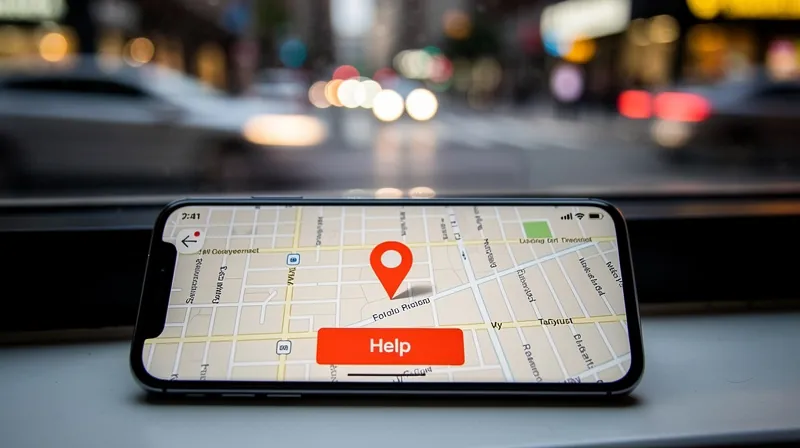
How to access RAP: Call the number on your rental agreement or use the Enterprise mobile app, which provides GPS-based location sharing for faster dispatch. Support is available 24/7, including holidays. Without RAP, any roadside service you arrange independently is billed directly to you — towing alone can run $100–$300+.
Business Rental Program Benefits
The Enterprise Business Rental Program is designed for companies with regular rental needs, offering a fundamentally different cost and coverage structure compared to individual consumer rentals. For fleet managers and frequent corporate travelers, the program delivers both administrative efficiency and meaningful financial protection.
Key program benefits include:
- Negotiated per-mile and daily rate savings: Volume-based pricing reduces per-rental costs significantly for enrolled businesses.
- Bundled fleet coverage options: Companies can negotiate coverage terms that apply across all employee rentals, eliminating the need for individual employees to make coverage decisions at the counter.
- Non-owned auto liability coverage: Some business programs include protection for employees driving personal vehicles for company business — a common gap in standard commercial auto policies.
- Administrative and expense management tools: Centralized billing, digital receipts, and reporting dashboards through the Enterprise Business portal simplify expense reconciliation and audit compliance.
- Liability limits: Business program liability terms may differ from standard consumer SLP limits — corporate account managers should review the specific terms negotiated in their agreement.
For businesses that frequently rent trucks, the program’s $1,000,000 liability limit under SLP becomes particularly valuable — as does access to Enterprise’s fleet of commercial vehicles for logistics-heavy operations.
Frequently Asked Questions
What happens if you damage a car from Enterprise?
If you damage a rental car from Enterprise, you will be held financially responsible for the repair costs unless you have a Damage Waiver or other applicable coverage. Enterprise will charge your credit card on file for repairs, loss of use fees (typically $50–$150/day while the car is being fixed), and administrative costs. If you have the DW, Enterprise waives these charges — provided the damage wasn’t caused by an excluded act such as off-road driving or unauthorized driver use.
What insurance is included in car rental Enterprise?
No insurance is automatically included in a standard Enterprise car rental — all protection products are optional add-ons offered at the counter. The minimum liability coverage Enterprise provides (required by state law) is the state-mandated minimum, which varies by location but is typically very low. To obtain meaningful protection, renters must actively purchase the Damage Waiver, Supplemental Liability Protection, Personal Effects Coverage, and/or Roadside Assistance Protection.
What does your insurance cover for a rental car?
Your personal auto insurance typically extends collision and comprehensive coverage to rental cars used for personal travel, subject to your policy’s deductibles and limits. However, personal policies may not cover loss of use fees, administrative charges, or incidents in certain geographies (such as Mexico). Always check with your insurer before renting, and confirm whether your policy’s liability limits are sufficient given the rental scenario.
Is Enterprise Damage Waiver actually insurance?
No — the Enterprise Damage Waiver is not insurance. It is a contractual agreement in which Enterprise waives its right to hold you financially responsible for covered damage to the vehicle. Because it is a waiver rather than an insurance policy, it is not regulated by state insurance departments and does not provide any protection for third-party liability or personal belongings. For those protections, SLP and PEC must be purchased separately.
Does my credit card cover Enterprise rental cars?
Many credit cards offer a rental car collision damage benefit, but it is almost always secondary coverage — meaning it only pays after your personal auto insurance has been applied. Credit card CDW benefits typically do not cover third-party liability, personal effects, or loss of use fees. Premium cards (such as certain Amex products) may offer primary CDW as an optional paid add-on; check your specific card’s benefits guide before declining Enterprise’s DW.
How do I file a claim with Enterprise?
To file a claim with Enterprise, report the incident immediately to the nearest branch or call Enterprise’s 24/7 customer service line. You’ll need to provide your rental agreement number, a police report (for accidents involving injury or significant damage), photographs of all damage, and contact information for any third parties involved. Enterprise’s underwriters — Zurich or Empire Fire, depending on your product — will then assign an adjuster to manage the claim from that point forward.
What is excluded from Enterprise SLP?
Enterprise’s Supplemental Liability Protection excludes incidents involving driver intoxication, use of the vehicle for commercial or rideshare purposes, racing, driving by an unauthorized operator, and any incident occurring outside the US and Canada — including Mexico. SLP also does not cover damage to the rental vehicle itself (that’s DW’s role) or theft of personal property (covered by PEC). Reading the full exclusion list in your rental agreement before signing is strongly advised.
Does Enterprise cover windshield damage?
Yes — glass and windshield damage is covered under Enterprise’s Damage Waiver. If you have the DW and the windshield is cracked or broken during your rental period, Enterprise will waive the repair or replacement cost. Without the DW, windshield replacement — which can cost $300–$1,500+ depending on vehicle type — becomes your financial responsibility. Some credit card CDW benefits also cover glass damage, but not all do, so verify your card’s terms.
What is the difference between DW and SLP?
The Damage Waiver (DW) protects you from being charged for damage to the Enterprise rental vehicle itself — it covers the car. Supplemental Liability Protection (SLP) protects you from financial liability for damage or injury you cause to other people and their property — it covers third parties. These are two entirely separate and complementary products; purchasing only one leaves a significant gap in your protection.
Can I decline Enterprise coverage?
Yes, you can decline any or all of Enterprise’s optional protection products at the counter. However, declining coverage transfers the full financial risk back to you — meaning you’re personally responsible for vehicle damage, third-party liability beyond your personal policy limits, and personal property loss. Before declining, verify that your personal auto insurance extends to rentals, that your credit card provides adequate collision coverage, and that you’re comfortable with the potential out-of-pocket exposure for your specific trip.