
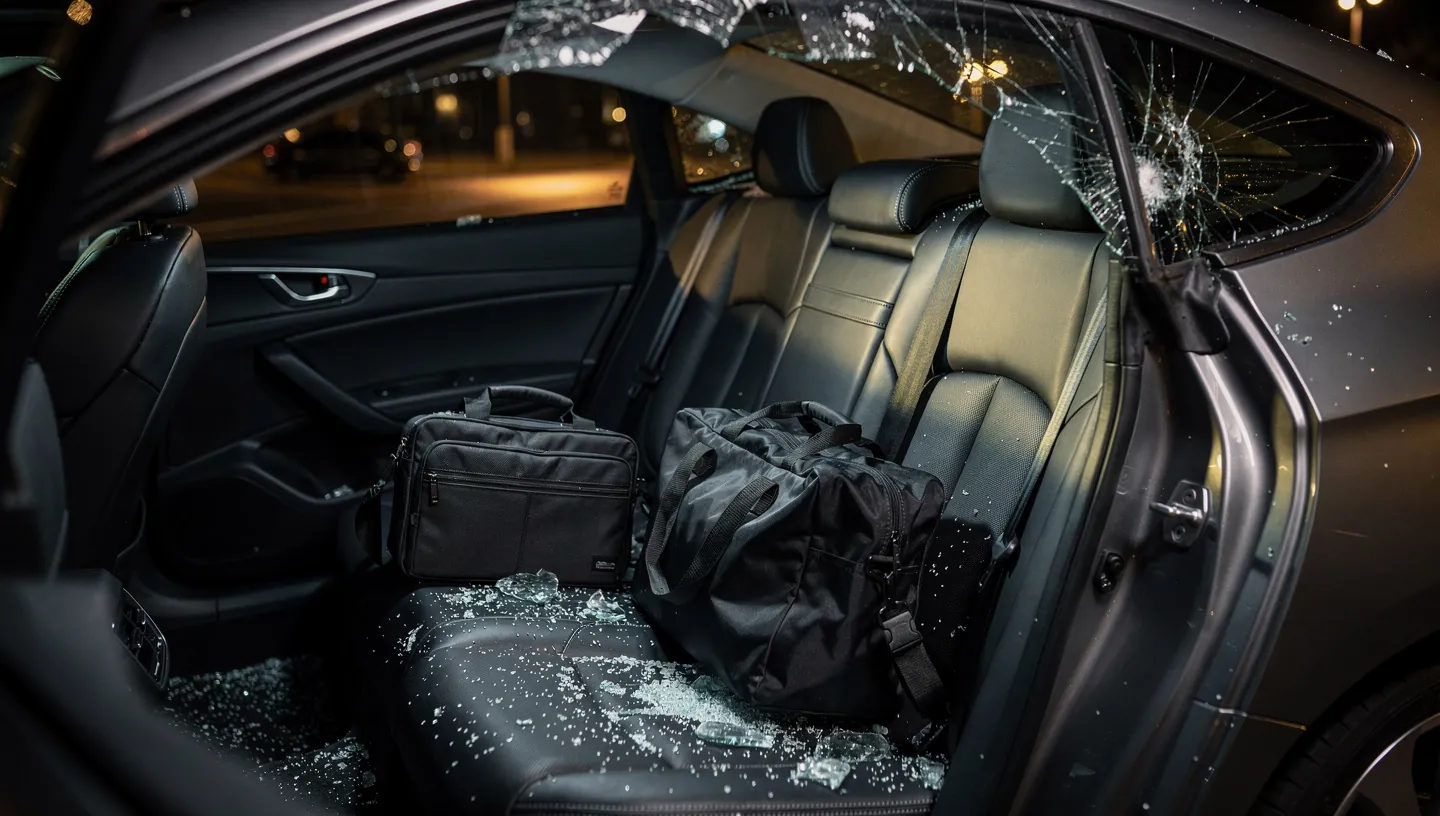
If you’ve ever walked back to your car only to find a shattered window and your belongings gone, the first question that hits you is: does renters insurance cover car break-ins? The short answer is yes — but only partially. Renters insurance covers the personal items stolen from inside your car, such as your laptop, gym bag, or purse. However, it does not cover the physical damage done to your vehicle, like a broken window or a busted lock.
This distinction matters enormously when it comes time to file a claim. Many renters are surprised — and frustrated — to learn that their policy protects their belongings almost anywhere in the world, yet won’t pay a single dollar toward fixing the car. That repair bill belongs to your comprehensive auto insurance, a separate policy entirely. Understanding exactly where one coverage ends and the other begins can save you serious money and prevent a stressful claims experience.
This guide breaks down every layer of coverage, from off-premises personal property rules to deductibles, sub-limits, and the step-by-step claims process — so you know precisely what to do the moment a break-in happens.
Key Takeaways
- Renters insurance covers personal items stolen from a car (up to policy limits) but does not cover the car’s physical damage.
- Coverage extends to “off-premises” locations, including vehicles, storage units, and rented spaces — whether the car is parked at home, at work, or across the country.
- Vehicle damage — broken glass, damaged locks, or the theft of the car itself — requires comprehensive auto insurance, not renters insurance.
- Coverage limits and sub-limits apply; high-value items like jewelry, electronics, and cash may require special scheduling or face capped reimbursement.
- Filing a police report is essential for both your auto and renters insurance claims following any break-in.
The Core Difference: Personal Property vs. Vehicle Damage
Renters insurance covers the “what was inside” and auto insurance covers the “what was broken.” When a thief smashes your car window and steals your backpack, you are dealing with two separate loss events: damage to personal property (your backpack and its contents) and damage to the vehicle (the broken window). Renters insurance responds to the first; comprehensive auto insurance responds to the second. These two policies are not interchangeable.
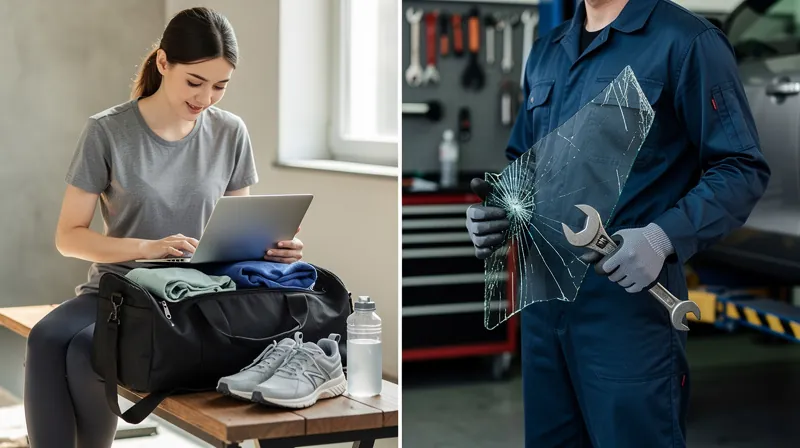
The guiding principle behind renters insurance is personal property coverage. Your policy is designed to protect your belongings — not structures or vehicles. Because of this, the coverage follows you and your things, not the location where those things happen to be sitting. This is the foundation of what insurers call off-premises coverage.
What Renters Insurance Covers
Renters insurance covers personal property stolen from inside a vehicle, regardless of where that vehicle is parked. This off-premises protection is a standard feature in virtually all renters policies, typically extending coverage up to 10% of your total personal property limit when items are away from your residence — though many modern policies offer full off-premises coverage. Items commonly covered include:
- Electronics: Laptops, tablets, cameras, and headphones
- Clothing and luggage: Suitcases, gym bags, jackets, and shoes
- Personal accessories: Purses, wallets, and everyday jewelry
- Work equipment: Work-issued tools or personal business items (check policy exclusions)
- Personal documents: Some policies include costs related to identity theft following document theft
Importantly, this coverage applies whether the vehicle is owned, leased, or borrowed. If your items are stolen from a friend’s car or a company vehicle, your renters policy still steps in to protect your personal belongings.
What Renters Insurance Does NOT Cover
Renters insurance will never cover the vehicle itself or any of its structural components. No matter how comprehensive your renters policy is, the following items are categorically excluded:
- Broken windows and glass: The cost to replace a shattered side window or windshield
- Damaged or broken locks: Lock cylinders, door handles, or ignition components tampered with during a break-in
- Stolen mirrors or trim: Side mirrors, trim pieces, or any component of the car’s body
- Vehicle theft: If the entire car is stolen, renters insurance offers zero coverage for the vehicle’s value
- Vehicle parts: Tires, wheels, roof racks (as a fixed accessory), or aftermarket parts installed on the car
The rule is simple: if it’s part of the car, renters insurance won’t cover it. These losses belong exclusively to your auto insurance policy.
Auto Insurance: The Missing Piece for Car Repairs
Comprehensive auto insurance is the only policy that covers physical damage to your vehicle from a break-in, including broken windows, damaged locks, and stolen car parts. Many drivers — especially those with older vehicles — skip comprehensive coverage to save money on premiums. After a break-in, this decision can result in hundreds or even thousands of dollars in out-of-pocket repair costs with no insurance safety net in sight.
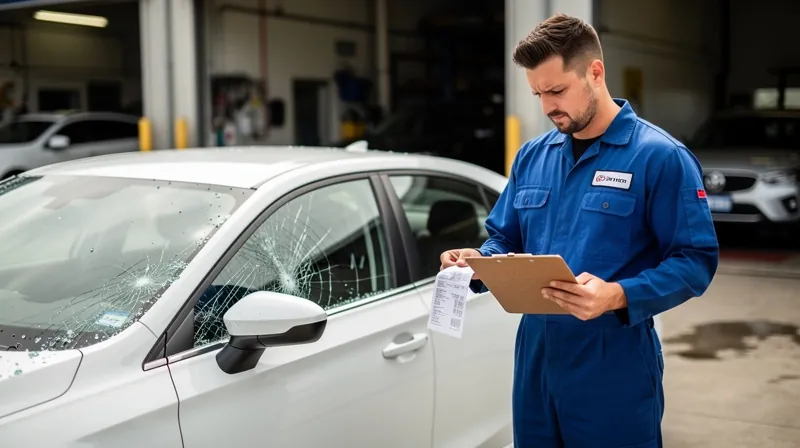
Understanding how comprehensive auto coverage works alongside your renters policy is critical. Together, the two policies form a complete safety net. Without one of them, you have a significant gap in protection.
Understanding Comprehensive Auto Insurance
Comprehensive auto insurance covers non-collision damage to your vehicle — meaning damage that isn’t the result of hitting another car or object. A car break-in falls squarely into this category. Here’s what comprehensive auto insurance specifically covers in the context of a break-in:
- Glass replacement: A shattered driver’s side window typically costs $150–$450 to replace, depending on the make and model. Comprehensive insurance covers this, often with a separate, lower glass deductible — sometimes $0.
- Lock and ignition repair: If a thief jams or breaks your lock cylinder, comprehensive coverage pays for the repair or replacement of the locking mechanism.
- Stolen vehicle components: Catalytic converters, tires, wheels, and aftermarket parts are covered under comprehensive — not renters insurance.
- Vehicle theft: If the entire car is stolen, comprehensive pays out the actual cash value (ACV) of the vehicle — its market value at the time of loss, after depreciation.
- Vandalism damage: Scratches, dents, or other damage inflicted intentionally during the break-in are covered under the vandalism provision of comprehensive coverage.
It’s worth noting that replacement cost versus actual cash value is an important distinction for auto claims. Most auto policies pay ACV for the vehicle itself, meaning depreciation reduces your payout. For your stolen personal items, some renters policies offer replacement cost coverage — paying what it costs to buy a new equivalent item today, without depreciation deducted.
Financial Impact Analysis
The financial consequences of a car break-in without comprehensive auto insurance can be severe, easily exceeding $1,000 in out-of-pocket costs for even a minor incident. Here’s a realistic breakdown of costs you might face:
- Broken side window replacement: $150–$500+ depending on vehicle type (luxury or specialty vehicles cost more)
- Lock cylinder replacement: $200–$600 for parts and labor
- Stolen catalytic converter replacement: $1,000–$3,000+ depending on the vehicle
- Stolen wheels and tires: $800–$2,500+ for a full set
A common misconception is that renters insurance will “handle the break-in.” People assume a single claim covers everything. In reality, renters insurance might reimburse your stolen electronics after your deductible, but it does absolutely nothing for the smashed window you’re staring at. If your renters deductible is $500 and your stolen laptop is worth $600, your net recovery is just $100. Meanwhile, the broken window costs $300 out of pocket — all because you don’t have comprehensive auto coverage.
The takeaway: comprehensive auto insurance and renters insurance are complementary, not interchangeable. Both are typically affordable. A comprehensive auto add-on often costs just $10–$30 per month more than liability-only coverage.
Navigating Limits, Deductibles, and Sub-Limits
Even when renters insurance covers stolen items from your car, your reimbursement is governed by three financial layers: your overall policy limit, your deductible, and category-specific sub-limits. Failing to understand these layers before a loss is one of the most common — and costly — mistakes renters make. Knowing them in advance helps you decide whether to upgrade coverage before something goes wrong.

The Deductible vs. The Limit
These two terms sound similar but serve entirely different functions in your policy:
- Policy Limit: The maximum total dollar amount your insurer will pay for all personal property losses. Standard renters policies range from $15,000 to $50,000 in personal property coverage. This is the ceiling of your protection.
- Deductible: The amount you pay out of pocket before your insurance pays anything. Common deductibles range from $250 to $1,000. If your deductible is $500 and your stolen items are worth $450, you receive nothing — the loss is entirely out of pocket.
- Sub-Limits: Caps on specific categories of items within the broader policy. Even if your total policy limit is $30,000, your insurer may only pay up to $1,500 for electronics or $2,500 for jewelry unless you’ve added extra coverage.
Always review your declarations page — the summary document your insurer provides — to understand your specific limits and deductibles before a loss occurs.
High-Value Items and Cash Sub-Limits
Cash and high-value personal property are almost always subject to strict sub-limits under standard renters policies. These limits exist because insurers view certain categories as disproportionately high-risk. Common sub-limits include:
- Cash and currency: Most policies cap cash reimbursement at $200–$250. If someone steals $500 from your center console, you’ll recover at most $200–$250 — minus your deductible.
- Jewelry and watches: Typically capped at $1,000–$1,500 for theft, regardless of actual value.
- Electronics: Some policies apply sub-limits of $1,500–$2,500 for electronics categories. A stolen $2,800 laptop might only be covered up to the sub-limit.
- Musical instruments and sports equipment: Often subject to separate sub-limits, especially for professional-grade items.
The solution for high-value items is “scheduling” — adding a personal property floater or rider to your policy that specifically lists and insures each item at its full appraised or purchase value. Scheduling a $3,000 laptop, for example, ensures you recover its full value after a theft, minus any applicable deductible.
One of the most valuable things you can do right now — before any break-in — is create a detailed home inventory. List every item of value with its serial number, purchase price, and a photo or receipt. This documentation is critical to maximizing your claims payout and avoiding disputes with your insurer.
What to Do When a Break-In Occurs: The Claims Process
Acting quickly and methodically after a car break-in directly impacts how smoothly your insurance claims are processed and how much you ultimately recover. The moments after discovering a break-in can feel chaotic, but the steps you take in the first hour determine the strength of both your auto and renters claims. A structured approach protects your financial interests.

Step-by-Step Claims Checklist
Follow these steps in order after discovering a car break-in:
- Do not touch or move anything at the scene. Before documenting or cleaning up, preserve the scene as-is. Moving broken glass or rearranging the car’s interior can complicate the police report and your claims documentation.
- Call the police immediately. A police report is not optional — it is a required document for both your auto insurance and renters insurance claims. Provide officers with a complete list of everything stolen. Get the report number before they leave.
- Document all damage with photos and video. Photograph the broken window, any forced entry points, the interior of the vehicle, and the surrounding area. Video walk-arounds capture context that photos miss.
- Create a comprehensive stolen items list. Write down every item taken, including brand, model, serial number, estimated purchase price, and approximate age. If you have receipts or warranty cards, gather them. Reference your home inventory if you’ve created one.
- Contact your auto insurer for vehicle damage. Report the broken window, damaged locks, or any other vehicle damage to your auto insurance company. They will assign a claims adjuster and, if you have comprehensive coverage, initiate the repair process.
- Contact your renters insurer for stolen personal property. File a separate claim with your renters insurance carrier for any stolen personal belongings. Provide the police report number, your stolen items list, and all supporting documentation.
- Get repair estimates for the vehicle. Obtain two to three written estimates from reputable auto glass or body shops. Your auto insurer may have preferred vendors, but you typically have the right to choose your own repair facility.
Pro tip: Keep digital copies of all documentation — photos, receipts, police reports, and claim correspondence — stored in a cloud service. Physical documents can be lost or damaged, and having everything accessible speeds up the claims process significantly.
Special Situations: Roof Racks, Rentals, and Storage
Renters insurance off-premises coverage extends to many situations beyond a simple car break-in at home, including theft from rental cars, storage units, and items mounted on or attached to your vehicle. However, the specific rules governing these edge cases are nuanced, and the line between what’s covered and what isn’t can shift depending on how an item is classified.
Roof Racks and Accessories
Roof racks create a fascinating coverage split that confuses many policyholders:
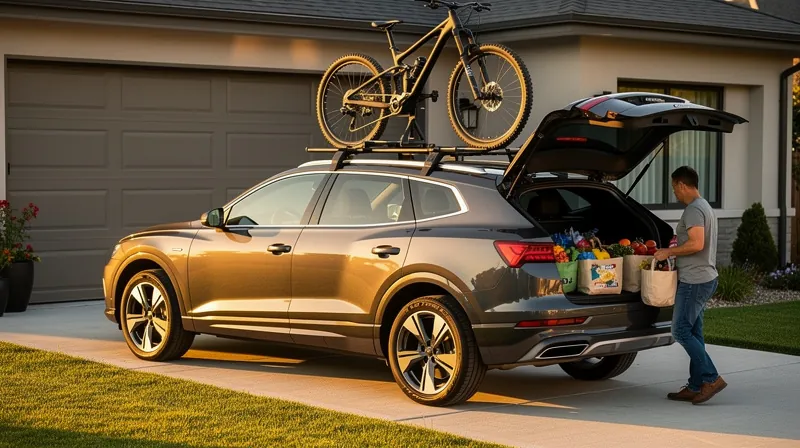
- Items ON the rack are generally covered by renters insurance. A bicycle, surfboard, kayak, or ski equipment strapped to a roof rack are considered personal property. If they’re stolen, your renters policy covers them — subject to any applicable sub-limits. Sporting equipment and bikes often carry their own sub-limits, so check your policy or schedule these items separately.
- The rack itself is generally NOT covered by renters insurance. The roof rack, as a vehicle accessory bolted to the car, is considered part of the vehicle. If it’s stolen or damaged, comprehensive auto insurance is the appropriate coverage — not your renters policy.
- High-value sporting equipment warrants scheduling. A professional mountain bike worth $3,500 or a custom surfboard worth $2,000 will likely exceed standard sub-limits. Schedule these items individually to ensure full recovery after a theft.
Storage Units and Rental Cars
The off-premises coverage provision in renters insurance extends well beyond vehicles. Here’s how it applies to two common scenarios:
- Storage units: Personal items stored in a storage unit are covered under the same off-premises rules as items in your car. If your storage unit is broken into and your belongings are stolen, your renters policy responds. Note that the off-premises sub-limit (often 10% of your total personal property limit) may apply, so a policy with $30,000 in coverage might only provide $3,000 for storage unit losses — unless your policy offers full off-premises coverage.
- Rental cars: If your personal items are stolen from a rental car, your renters insurance covers them just as it would from your own vehicle. However — and this is critical — the rental car itself is not covered by your renters policy. Damage to the rental car requires either the rental company’s collision damage waiver, your personal auto insurance’s rental coverage, or the coverage offered by your credit card.
When traveling, it’s especially important to remember that your personal property protection travels with you. Whether your belongings are in a hotel room, a rental car, or a vacation home, renters insurance keeps them protected under the off-premises provision. This is one of the most underappreciated benefits of a renters policy.
Frequently Asked Questions
Does renters insurance cover vandalized cars?
Renters insurance does not cover vandalism damage to your car. Vandalism to the vehicle itself — such as keyed paint, slashed tires, or broken mirrors — is covered by comprehensive auto insurance, not your renters policy. However, if personal items inside the car were damaged or stolen during a vandalism incident, your renters insurance would cover those personal belongings, subject to your deductible and policy limits.
Will renters insurance cover a broken car window?
No — renters insurance will not pay to replace a broken car window. A broken window is physical damage to the vehicle, which falls under comprehensive auto insurance. If you have comprehensive coverage on your vehicle, your auto insurer will cover the glass replacement, often with a low or $0 glass deductible depending on your policy and state. Without comprehensive coverage, you’ll pay the repair cost entirely out of pocket.
What insurance covers a break-in?
Two separate types of insurance typically cover a car break-in: renters insurance covers stolen personal property, and comprehensive auto insurance covers vehicle damage. Renters insurance pays for items taken from inside the car (electronics, clothing, bags), while comprehensive auto insurance pays for the physical damage done to the vehicle (broken windows, damaged locks). If you only have one of these policies, you’ll have a coverage gap for the other type of loss.
What is typically not covered by renters insurance?
Renters insurance typically does not cover your vehicle, vehicle parts, earthquakes, floods, or your roommate’s belongings. In the context of a car break-in specifically, broken windows, stolen car parts, damaged locks, and the theft of the vehicle itself are all excluded from renters coverage. Additionally, high-value items may only be covered up to sub-limits unless scheduled separately, and cash reimbursement is usually capped at $200–$250.
Does renters insurance cover stolen cash?
Yes, renters insurance covers stolen cash, but only up to a very low sub-limit — typically $200 to $250. This means that even if $1,000 in cash is stolen from your car, your insurer will only reimburse you up to that cap, minus your deductible. There is generally no way to increase cash coverage under a standard renters policy, so it’s advisable to avoid keeping significant cash in your vehicle.
Can I claim if my car was parked in a locked garage?
Yes — the location of your car when the break-in occurs does not affect your renters insurance coverage for stolen personal items. Off-premises personal property coverage applies regardless of whether your car was in a public parking lot, a private driveway, or a locked garage. The same rules apply: renters covers your belongings, and comprehensive auto covers the vehicle damage.
Does renters insurance cover bikes on a roof rack?
Yes, in most cases, a bicycle mounted on a roof rack is covered by renters insurance as personal property, subject to any applicable sub-limits. Bikes are classified as personal property, not vehicle components, so they fall under your renters policy rather than your auto insurance. However, high-value bicycles — particularly those worth over $1,500–$2,000 — may exceed standard sub-limits and should be scheduled separately on your policy for full coverage.
Do I need a police report for a renters claim?
Yes — virtually all renters insurance companies require a police report to process a theft claim, including claims for items stolen from your car. Without a police report, your claim may be delayed, reduced, or denied entirely. File the report immediately after discovering the break-in, provide officers with a complete list of stolen items, and record the report number so you can reference it when contacting your insurer.
Is my laptop covered if it is stolen from my car?
Yes — a laptop stolen from your car is covered by your renters insurance under the personal property coverage provision. You’ll need to pay your deductible first, and the reimbursement may be based on either the laptop’s actual cash value (with depreciation) or its replacement cost, depending on your policy type. If your laptop’s value exceeds your policy’s electronics sub-limit, you may only be reimbursed up to that cap — check your policy and consider scheduling high-value devices.
Does renters insurance cover items stolen from a rental car?
Yes — renters insurance covers your personal belongings stolen from a rental car, just as it would from your own vehicle. Your off-premises personal property coverage follows you and your belongings regardless of what type of vehicle they’re in. The rental car’s physical damage, however, is not covered by your renters policy — that requires the rental company’s damage waiver, your credit card’s auto protection, or your own auto insurance policy.
How do I increase coverage for expensive electronics?
To increase coverage for expensive electronics beyond your policy’s sub-limits, you can add a personal property floater or scheduled items endorsement to your renters policy. This involves listing the specific item — such as a laptop, camera, or tablet — with its purchase value or appraised value, and paying a small additional premium to insure it fully. Scheduling an item typically provides broader coverage with no sub-limit cap and sometimes no deductible, making it highly worthwhile for devices valued over $1,500.
What if I don’t have comprehensive auto insurance?
If you don’t have comprehensive auto insurance and your car is damaged in a break-in, you will be responsible for 100% of the vehicle repair costs out of pocket. There is no other insurance product that covers vehicle damage from a break-in — renters insurance, liability coverage, and collision coverage do not apply. If your vehicle repair costs are significant, this situation can be financially devastating. Adding comprehensive coverage is typically very affordable, often adding just $10–$30 per month to your premium depending on your vehicle’s value and location.