
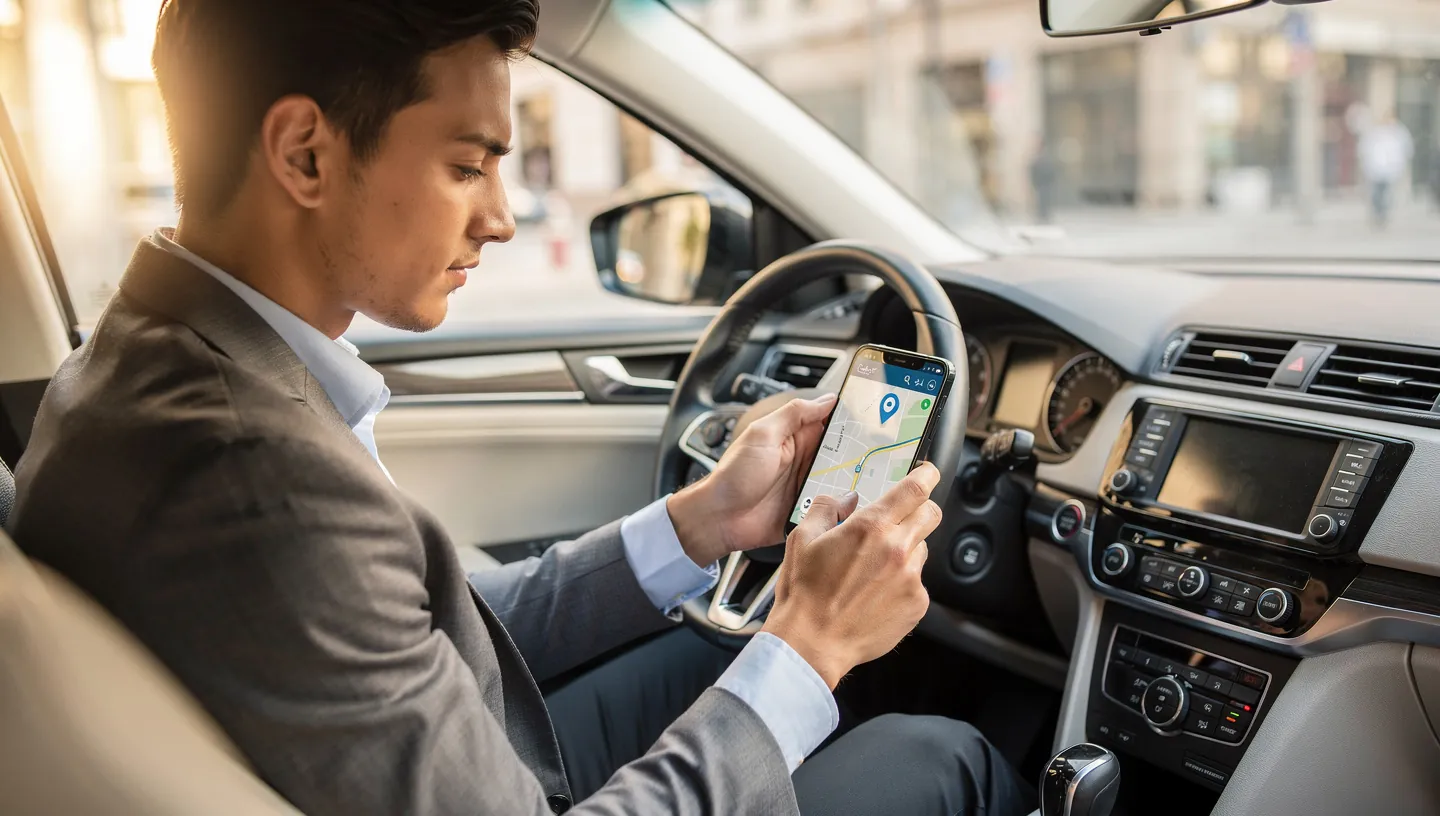
Non-owner car insurance is a liability-only policy designed for drivers who don’t own a vehicle but regularly borrow, rent, or use shared cars. Unlike a standard auto policy that’s tied to a specific vehicle, this coverage follows you — the driver — providing financial protection wherever you get behind the wheel of someone else’s car.
The distinction matters enormously. If you cause an accident while driving a rented or borrowed vehicle, you could be personally responsible for the other driver’s medical bills, lost wages, and property repairs. Non-owner car insurance steps in to cover those costs, acting as a crucial financial safety net between you and a potentially devastating liability judgment.
A common and costly misconception is that this policy protects the vehicle you’re driving. It does not. Non-owner insurance covers damages you cause to others — it will not pay to repair the borrowed car, and it won’t cover your own medical bills unless you add optional riders. Understanding these boundaries is the difference between being genuinely protected and having a dangerous coverage gap.
Whether you’re a frequent traveler who rents cars, someone navigating a driver’s license suspension and needing to file an SR-22, or simply in a transitional period between vehicles, this guide covers everything you need to make an informed decision in 2025.
Key Takeaways
- Secondary liability coverage only: Non-owner car insurance covers bodily injury and property damage you cause to others — not your own injuries or damage to the car you’re driving.
- Ideal candidates include frequent car renters, occasional borrowers, and drivers required to file SR-22 or FR-44 forms after a license suspension or DUI.
- Significantly affordable: Policies typically cost between $400 and $600 annually, making them 20–50% cheaper than standard auto insurance.
- Household vehicles are excluded: You cannot use a non-owner policy to cover driving a car owned by a spouse or household family member — you must be listed on their policy.
- Does not replace the rental agency’s CDW: Non-owner insurance covers your liability to others but will not pay for damage to the rental car itself — those are two separate protections.
- Gig economy work voids coverage: Standard non-owner policies explicitly exclude driving for Uber, Lyft, DoorDash, or any other commercial or rideshare platform. Specific commercial endorsements are required.
What is Non-Owner Car Insurance?
Non-owner car insurance is a personal liability policy that covers you when driving a vehicle you don’t own. It provides Bodily Injury Liability (BI) and Property Damage Liability (PD) coverage, acting as a secondary layer of protection after the vehicle owner’s primary policy pays out. It does not include collision coverage, comprehensive coverage, or payment for your own medical expenses.
How Liability Coverage Works
When you cause an accident in a borrowed or rented vehicle, liability coverage pays for the harm you’ve done to other people and their property. Here’s how the two core components function:
- Bodily Injury Liability: Covers the medical bills, lost wages, rehabilitation costs, and legal defense fees for anyone you injure in an at-fault accident. If the injured party sues you, this coverage pays your legal expenses up to your policy limits.
- Property Damage Liability: Covers the cost to repair or replace the other driver’s vehicle, a fence, a storefront, or any other property you damage in an accident.
Consider a concrete example: You’re driving a rental car and rear-end another vehicle, causing $15,000 in property damage. The rental agency’s liability coverage (if minimal) pays first. Your non-owner policy — with a $25,000 property damage limit — then steps in as secondary coverage, paying the remaining balance. You pay nothing out of pocket up to that limit.
This layered, secondary nature is critical. Your non-owner policy only activates after the vehicle owner’s insurance has been exhausted. If the owner carries no insurance, your non-owner policy may step up as the primary payer, depending on your state’s laws and policy terms.
Why It’s Called ‘Driver-Focused’ Insurance
Standard auto insurance is tied to a specific Vehicle Identification Number (VIN). Non-owner insurance, by contrast, is attached to your driver’s license — making it fully portable across any non-owned vehicle you drive legally with the owner’s permission.
- Drive a rental in Miami on Monday and a friend’s car in Chicago on Friday — the same policy covers you in both situations.
- This portability is particularly valuable for urban residents who rely on car-sharing services like Zipcar or occasional rentals for weekend trips.
- It provides consistent protection without requiring you to purchase new coverage each time you get behind a different wheel.
Who Needs Non-Owner Car Insurance?

The ideal candidate for non-owner car insurance is a licensed driver who doesn’t regularly have access to a personal vehicle but occasionally drives. This includes frequent renters, car-free city dwellers, drivers rebuilding their records after a suspension, and people in transitional periods between car ownership.
Frequent Car Renters
Rental agencies offer their own liability protection, but it’s often minimal — sometimes as low as your state’s legal minimum, which may be far too low to cover a serious accident. Frequent renters who rely solely on the agency’s default coverage are often dangerously underinsured.
- Rental agency waivers (CDW/LDW) cover damage to the rental car — they do not cover your liability to the other driver or their passengers.
- If you rent a luxury SUV and cause a multi-car accident, the liability costs can easily reach six figures — far exceeding a basic agency policy.
- A non-owner policy with robust liability limits provides a reliable, cost-effective backstop that travels with you to every rental counter.
SR-22 and FR-44 Filers
For drivers who’ve had their license suspended due to a DUI, reckless driving, or multiple violations, many states require proof of insurance — called an SR-22 filing — before reinstating driving privileges. A non-owner policy can carry this filing even if you don’t own a car.
- SR-22: A certificate of financial responsibility filed by your insurer with your state’s DMV. Required in most states after serious violations and typically mandated for three years.
- FR-44: Used primarily in Florida and Virginia, the FR-44 requires higher liability limits than a standard SR-22, making it more expensive but structured the same way.
- Maintaining a non-owner policy with an SR-22 endorsement ensures continuous coverage, which prevents the clock from restarting on your reinstatement period.
- A lapse in coverage — even a single day — can trigger a new suspension and extend your SR-22 requirement, significantly increasing your long-term premium rates.
Car Sellers and Transitional Drivers
Selling a car creates a coverage blind spot that many drivers overlook. Once you sign over the title, you typically can’t use the old policy. But driving still happens — finalizing paperwork, a test drive, or simply getting around before buying a replacement.
- A non-owner policy bridges the gap between selling one vehicle and purchasing the next, ensuring you’re never driving uninsured.
- It also protects individuals who have recently moved to a car-free city but still occasionally rent or borrow vehicles for travel.
- Maintaining continuous coverage during this transitional period can prevent the dreaded “coverage gap” that insurers use to justify higher premium rates when you return to standard auto insurance.
The Cost of Non-Owner Insurance
Non-owner car insurance is substantially cheaper than standard auto insurance, typically ranging from $400 to $600 per year — roughly $33 to $50 per month. Because there’s no vehicle to insure for physical damage, insurers carry less risk, and that savings is passed directly to the policyholder.
Average Annual Premiums
The national average hovers around $500 annually, but your actual rate depends heavily on where you live and your personal risk profile. Here’s a general breakdown:
- Low-cost states (e.g., Iowa, Maine, Vermont): Policies can start as low as $200–$350 per year due to lower accident rates and less litigation.
- Mid-range states (e.g., Texas, Ohio, Arizona): Typical premiums fall in the $400–$600 range.
- High-cost states (e.g., Michigan, California, Florida): Premiums can climb to $700–$900+ annually, reflecting higher medical costs, litigation rates, and state-mandated minimum coverage requirements.
Compared to the average standard auto insurance policy — which runs approximately $1,500–$2,000 per year in 2025 — non-owner coverage delivers meaningful protection at a fraction of the monthly payments.
Factors Influencing Premiums
Insurers use the same core underwriting variables for non-owner policies as they do for standard auto insurance. Understanding these can help you shop more strategically.
- Driving history: A clean record is the single most powerful factor for keeping rates low. A DUI or at-fault accident can double or triple your premium.
- Age: Young drivers (under 25) typically pay higher rates due to statistical risk. Drivers over 65 may also see modest increases.
- Zip code: Urban areas with high traffic density, theft rates, and accident statistics command higher premiums than rural locations.
- Coverage limits: Higher liability limits mean higher premiums, but they dramatically reduce your personal financial exposure in a serious accident.
- Credit score: In states where it’s legally permitted, a lower credit score can increase your rate by 20–40%. States like California, Hawaii, and Massachusetts prohibit this practice.
- Continuous coverage: Drivers who maintain uninterrupted insurance history are consistently rewarded with lower rates, as a coverage gap signals higher risk to insurers.
Critical Exclusions & Limitations
What a non-owner policy doesn’t cover is as important as what it does. The exclusions are specific and can leave you financially exposed if you’re not aware of them. The three most critical limitations involve household vehicles, business driving, and physical damage to the car you’re operating.
Household Access Restrictions
This is the most frequently misunderstood exclusion — and potentially the most dangerous. Non-owner insurance does not cover you when driving a vehicle owned by someone in your household, including a spouse, parent, or domestic partner.
- If you live with your spouse and drive their car regularly, you must be listed as a named driver on their auto insurance policy — a non-owner policy provides zero protection in this scenario.
- The concept of “regular access” is key. Insurers define it broadly: if a car is parked at your home and you have access to the keys, you likely have “regular access,” regardless of how often you actually drive it.
- Attempting to use a non-owner policy for a household vehicle is considered a material misrepresentation and can result in claim denial or policy cancellation.
Business Use and Employment
Standard non-owner policies explicitly exclude any driving performed for commercial purposes. This includes delivery runs, client visits, transporting goods, and any driving for which you receive compensation.
- Salespeople, field service technicians, and delivery contractors who use personal or borrowed vehicles for work are not covered under a standard non-owner policy.
- The correct solution for these situations is Commercial Non-Owned Auto (CNOA) insurance, which is specifically designed to cover liability when employees use non-company vehicles for business tasks.
- Business owners should also be aware that if an employee causes an accident while on a work errand in their personal car, the business itself can be held vicariously liable — making CNOA essential risk management.
Personal Injury and Vehicle Damage
Non-owner insurance is purely outward-facing liability protection. It does not provide any coverage for your own physical wellbeing or for the vehicle you’re driving.
- No collision coverage: If the borrowed or rented car is damaged in an accident you caused, your non-owner policy will not pay a cent toward repairs. The vehicle owner’s collision insurance (or your own rental CDW) must cover that.
- No comprehensive coverage: Theft, weather damage, or vandalism to the vehicle you’re driving is not covered.
- No medical payments for you: Your own injuries in an at-fault accident are not covered unless you specifically add a Medical Payments (MedPay) or Personal Injury Protection (PIP) rider to your policy — and these add-ons aren’t available in every state.
- No personal property coverage: Items stolen from inside a rental car — laptop, luggage, camera equipment — are not covered by your non-owner policy.
Rental Car Pitfalls & CDW Interaction
Renting a car while relying on a non-owner policy is workable — but only if you understand precisely what each layer of coverage does and doesn’t protect. The most common and expensive mistake renters make is confusing the rental agency’s damage waiver with liability protection. These are fundamentally different products that cover different risks.
The CDW Trap
The Collision Damage Waiver (CDW) — sometimes called a Loss Damage Waiver (LDW) — is not insurance. It’s a contractual agreement from the rental company that they won’t hold you financially responsible for damage to their car if it’s damaged or stolen. This is where renters routinely make a costly error.
- CDW/LDW covers: Damage to the rental car, theft of the rental car, and administrative fees charged by the rental agency after an accident.
- CDW/LDW does NOT cover: Damage you cause to another person’s vehicle, bodily injury to other drivers or passengers, or property you damage beyond the rental car itself.
- Real-world scenario: You purchase the CDW and cause a collision with a $40,000 sedan. The rental car is protected — but you’re personally on the hook for the other driver’s vehicle damage, medical costs, and potential lawsuit. That’s where your non-owner policy’s liability coverage kicks in.
- Renting a luxury or specialty vehicle amplifies this risk dramatically. A single accident involving a high-end rental and an expensive third-party vehicle can generate liability exposure well into six figures.
When Rental Agencies Deny Non-Owner Policies
Not every rental agency in every jurisdiction will accept a non-owner policy as proof of insurance. This is a significant practical pitfall that catches travelers off guard.
- Some agencies — particularly in states with specific insurance verification laws — require the primary driver to present a personal auto policy in their name, not a non-owner policy.
- Always call the rental agency before your trip to confirm they will accept your non-owner policy as the primary liability source. Get confirmation in writing if possible.
- International rentals present additional complexity. Non-owner U.S. policies typically do not extend coverage outside the United States and Canada. Purchasing the rental company’s local liability coverage is usually mandatory abroad.
- Credit card rental protection can serve as a secondary backup for vehicle damage (many Visa Signature and World Mastercard products offer this), but these programs have strict exclusions — luxury vehicles, trucks, motorcycles, and exotic cars are commonly excluded, and they rarely provide liability protection for third-party claims.
Gig Economy Risks: Rideshare & Delivery
This is one of the most dangerous coverage gaps in personal auto insurance — and non-owner policies make it worse, not better. Standard non-owner car insurance is completely void the moment you begin driving for a transportation network company or delivery platform. If you drive for Uber, Lyft, DoorDash, or Grubhub, you need a fundamentally different type of coverage.
Uber and Lyft Limitations
Rideshare insurance coverage operates in three distinct phases, and understanding each phase is critical for any gig driver:
- Phase 0 — App Off: You’re driving for personal use. Your personal auto policy (or non-owner policy) applies normally.
- Phase 1 — App On, Waiting for a Ride Request: This is the most dangerous gap. Uber and Lyft provide only limited liability coverage during this phase (typically $50,000 per person, $100,000 per accident). Your personal or non-owner policy is voided the moment you log in to the driver app.
- Phase 2 & 3 — Accepted Ride Through Passenger Drop-off: The platform’s full commercial insurance ($1 million liability) is active. However, your personal policy remains void throughout.
A non-owner policy provides zero coverage during Phases 1, 2, and 3. A driver who believes their non-owner policy protects them while ridesharing is operating without effective insurance. The solution is a rideshare insurance endorsement added to a personal policy, or a standalone commercial policy designed specifically for TNC drivers.
Delivery Driver Risks
Food delivery and package delivery are classified as commercial driving activity by every major insurer — and commercial activity is universally excluded from standard non-owner policies.
- Platforms like DoorDash, Instacart, and Amazon Flex provide some liability coverage while you’re actively on a delivery, but the limits are often low and the gap periods (app on, no active delivery) mirror the rideshare Phase 1 problem.
- If you cause an accident while driving to pick up an order, your personal or non-owner insurer can deny the claim on the grounds that you were engaged in commercial activity.
- Delivery drivers need a commercial auto endorsement or a standalone commercial non-owned auto policy to ensure coverage during all phases of a delivery shift.
- Some insurers now offer hybrid personal/commercial policies specifically for gig workers — these are the most comprehensive and cost-effective solution for full-time delivery drivers.
Non-Owner Insurance for Business
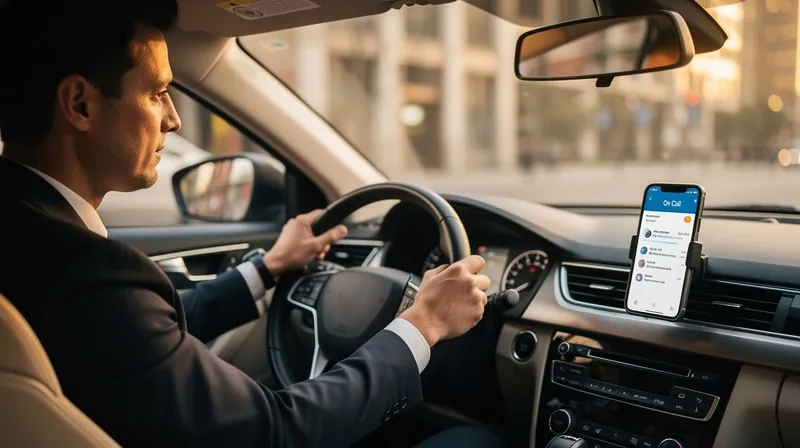
Commercial Non-Owned Auto (CNOA) insurance is the business-world equivalent of non-owner car insurance. It protects a company when its employees drive their personal vehicles — or any non-company vehicles — for business purposes. Without it, a single employee accident during a work errand can expose the entire business to an uncovered liability judgment.
Employers and Employees
Many business owners are unaware that standard commercial general liability (CGL) policies do not automatically cover auto-related incidents. CNOA fills this specific and critical gap.
- How CNOA works: When an employee uses their personal car to make a bank deposit, visit a client, or run a company errand and causes an accident, CNOA covers the business’s liability — even though it doesn’t own the vehicle.
- The employee’s personal auto policy is still the primary payer. CNOA provides an excess layer of liability protection for the employer when the employee’s limits are insufficient.
- This coverage is essential for sales teams, field service workers, property managers, and any business that relies on employee vehicles for regular operations.
- Without CNOA, the business itself can be sued directly under the doctrine of respondeat superior (employer liability for employee actions during the scope of employment), potentially with no insurance to respond to the claim.
- CNOA policies are typically inexpensive relative to the risk they mitigate, often costing a few hundred dollars per year for small businesses — making it one of the highest-value commercial insurance purchases available.
How to File a Claim & SR-22 Requirements
Filing a claim under a non-owner policy follows the same basic process as any auto insurance claim, but with one important structural difference: the vehicle owner’s insurance always pays first. Your non-owner policy activates as secondary coverage once the primary policy’s limits are exhausted or if the owner has no insurance.
Filing an SR-22 Without a Car
Obtaining an SR-22 without a vehicle is straightforward — and a non-owner policy is the standard vehicle for doing so. Here’s the step-by-step process:
- Contact an insurer that offers non-owner policies with SR-22 endorsements. Not all major carriers do. Companies like State Farm, GEICO, Progressive, and several regional insurers typically offer this combination.
- Purchase the non-owner policy and request the SR-22 endorsement at the time of application. Be upfront about your violation history — misrepresentation is grounds for cancellation.
- The insurer files the SR-22 electronically with your state’s DMV, typically within 24–72 hours. You’ll receive confirmation once it’s processed.
- Pay the SR-22 filing fee. This is typically a one-time fee ranging from $15 to $50, separate from your premium. It is not the cost of your insurance — it’s the administrative cost of the filing itself.
- Maintain continuous coverage for the required period, which is most commonly three years in most states. A single day of lapse can reset the clock and trigger a new license suspension.
For FR-44 filers in Florida and Virginia, the process is identical — but the required liability limits are higher (Florida requires 100/300/50 limits vs. the standard 10/20/10 minimum), which means meaningfully higher premium rates.
The Claims Process
If you’re involved in an accident while driving a borrowed or rented vehicle, follow these steps immediately:
- Call 911 if there are injuries or significant property damage. Obtain a police report number.
- Exchange information with the other driver: name, contact, license plate, insurance carrier, and policy number.
- Notify the vehicle owner immediately. Their insurance company needs to know about the accident promptly, as it is the primary payer for vehicle damage.
- Contact your non-owner insurer as soon as possible. Provide your policy number, the details of the accident, and the vehicle owner’s insurance information.
- The vehicle owner’s insurer handles the collision and comprehensive claims (damage to their car). Your non-owner policy handles the liability claims — covering the other driver’s injuries and property damage once the owner’s policy limits are reached.
- Document everything: Photographs of the scene, damage to all vehicles, witness contact information, and any communication from other parties or their insurance companies.
Frequently Asked Questions
What’s the cheapest non-owner car insurance?
The cheapest non-owner car insurance typically comes from regional and mid-tier insurers rather than the largest national carriers. Companies like GEICO, State Farm, and Nationwide frequently offer competitive rates, but the lowest premiums are often found by comparing at least three to five quotes directly. Drivers with a clean record and a low-risk zip code can often find policies starting around $200–$300 per year.
What is a non-owner car insurance policy?
A non-owner car insurance policy is a liability-only insurance product that covers you when driving a vehicle you don’t own. It pays for bodily injury and property damage you cause to others in an at-fault accident but does not cover physical damage to the car you’re driving or your own medical bills. The policy is attached to the driver rather than a specific vehicle, making it portable across rentals and borrowed cars.
Can you insure a car if not the owner?
You can insure yourself as a driver without owning a car through a non-owner policy, but you generally cannot purchase a standard auto insurance policy on a vehicle you don’t own — insurers require an “insurable interest” in the property. For vehicles you regularly borrow from a family member or friend, the most straightforward solution is to be added as a named driver on the vehicle owner’s existing policy.
Is a non-owner policy more expensive?
No — non-owner policies are consistently cheaper than standard auto insurance, typically by 20–50%. Because there’s no physical vehicle to cover for collision or comprehensive damage, the insurer takes on significantly less risk. The average non-owner policy costs $400–$600 per year, compared to $1,500–$2,000 for a standard personal auto policy.
Does non-owner insurance cover rental cars?
Yes, a non-owner policy covers your liability to others when driving a rental car — meaning it pays for injuries and property damage you cause to third parties. However, it does not cover damage to the rental car itself; for that, you need either the rental agency’s Collision Damage Waiver (CDW) or collision coverage from a credit card benefit. Always confirm with the rental agency that your non-owner policy will be accepted before your rental date.
Can I drive a car owned by a family member?
No — this is one of the most critical exclusions in a non-owner policy. If the vehicle is owned by someone who lives in your household (spouse, parent, sibling, domestic partner), your non-owner policy provides no coverage whatsoever. To be covered while driving a household vehicle, you must be listed as a named insured or additional driver on the vehicle owner’s auto insurance policy.
Does non-owner insurance cover rideshare driving?
No. Standard non-owner car insurance explicitly excludes driving for rideshare platforms like Uber, Lyft, or Via. The moment you log into a rideshare driver app, your non-owner policy is voided. Rideshare drivers need a dedicated rideshare insurance endorsement or a commercial auto policy that specifically covers transportation network company (TNC) activity across all phases of a trip.
Does non-owner insurance cover me if I cause an accident?
Yes — covering your liability in an at-fault accident is the primary purpose of a non-owner policy. If you cause an accident while driving a borrowed or rented car, your non-owner policy pays for the other driver’s medical bills, lost wages, and property damage up to your policy’s liability limits. It does not pay for your own injuries or damage to the vehicle you were driving.
What happens if I don’t have non-owner insurance?
If you cause an accident while driving without any insurance coverage, you are personally and financially liable for all damages — medical costs, property repairs, legal fees, and potential lawsuit judgments. Beyond the financial risk, driving without insurance is illegal in nearly every U.S. state and can result in fines, license suspension, and vehicle impoundment. A coverage gap can also significantly raise your future premium rates when you do obtain insurance.
Can I get an SR-22 without owning a car?
Yes — a non-owner car insurance policy is specifically designed to carry an SR-22 endorsement for drivers who don’t own a vehicle. Your insurer files the SR-22 certificate directly with your state’s DMV on your behalf, typically within 24–72 hours of policy purchase. You must maintain this coverage without any lapses for the full required period (usually three years) to successfully reinstate and retain your driving privileges.
Does non-owner insurance cover medical bills?
By default, non-owner car insurance does not cover your own medical bills — only the medical expenses of people you injure. However, some insurers allow you to add Medical Payments (MedPay) or Personal Injury Protection (PIP) coverage as optional endorsements to a non-owner policy. Availability varies by state and insurer, so ask specifically about these add-ons when shopping for a policy if personal injury coverage is a priority.
How long does non-owner insurance last?
Non-owner car insurance policies are structured as standard 6-month or 12-month terms, identical to regular auto insurance policies. You can renew indefinitely as long as you remain eligible — meaning you don’t acquire a vehicle registered to your household. There is no maximum duration, and maintaining the policy long-term is actually beneficial, as continuous coverage history helps keep your premium rates lower over time.