
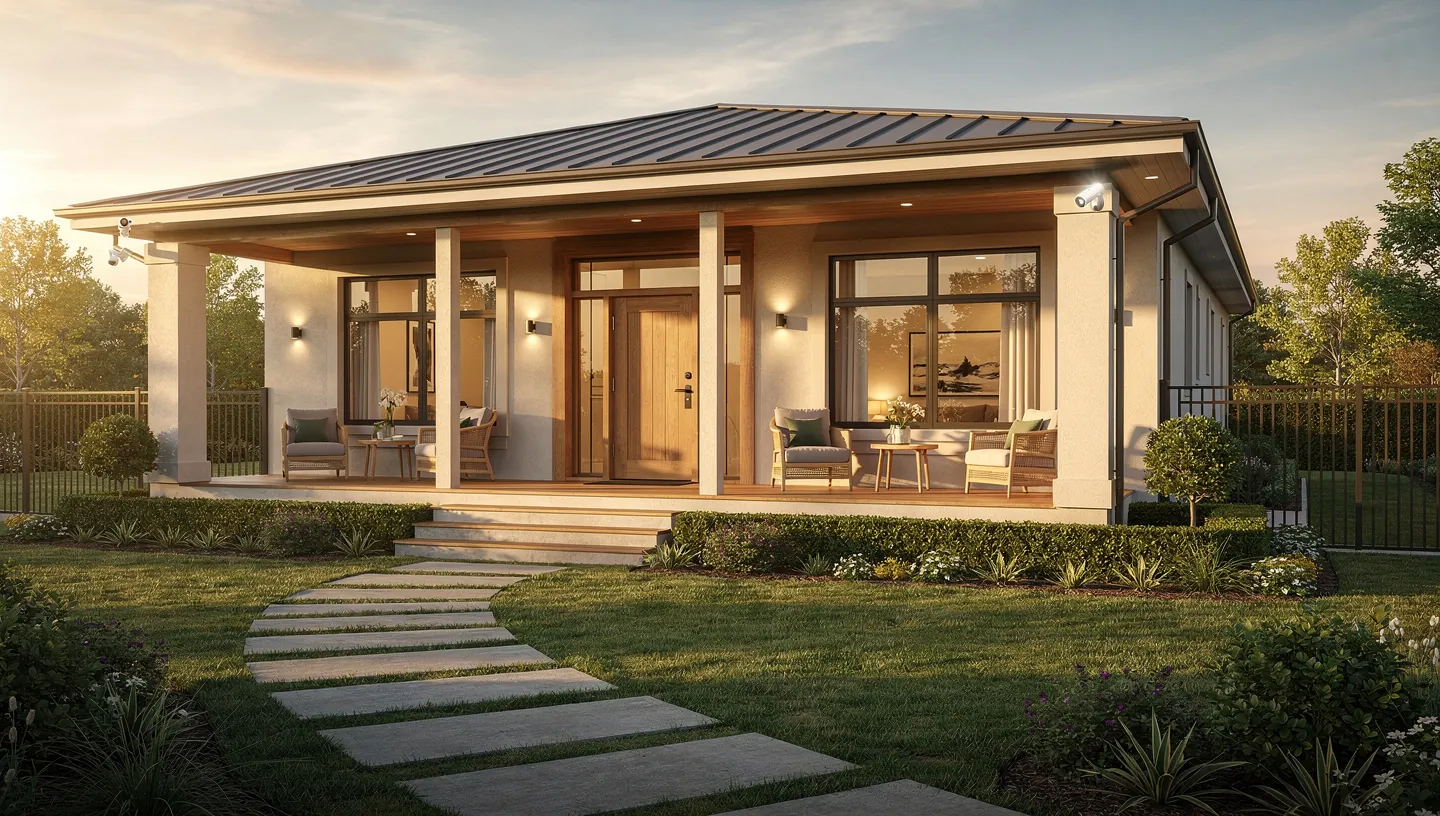
HO-5 home insurance represents the pinnacle of structural and personal property protection available to homeowners of detached single-family residences. Often referred to as the comprehensive form, this policy class extends open-perils coverage to both your dwelling and your belongings — a critical distinction that eliminates the guesswork of wondering whether a specific event falls within your policy’s scope.
Unlike the standard HO-3 policy that most American homeowners carry, the HO-5 doesn’t require you to cross-reference a list of covered events when disaster strikes. Instead, it flips the script: everything is covered unless it’s explicitly excluded. This single structural difference in policy language translates to broader protection, faster claims resolution, and significantly less stress during the moments that matter most.
This guide breaks down the mechanics of HO-5 home insurance in granular detail — contrasting it with the standard HO-3, analyzing its specific exclusions and endorsements, and exploring why it has become the strategic choice for high-value homes, luxury personal property, and homeowners who refuse to compromise on peace of mind. Whether you’re evaluating a policy upgrade or purchasing coverage for the first time, the analysis below will help you determine if this premium policy aligns with your homeownership needs.
Key Takeaways
- HO-5 provides open-perils coverage for both the home structure and personal belongings, whereas the standard HO-3 restricts contents protection to a limited list of named perils.
- Personal property is typically covered at replacement cost value, meaning you receive the full cost to replace items at today’s prices without any deduction for depreciation.
- Premiums for HO-5 policies generally run 10% to 25% higher than HO-3 policies due to the significantly broader scope of protection across all coverage categories.
- This policy is ideal for homeowners with high-value items — such as jewelry, fine art, and electronics — or those living in areas prone to complex storm damage, including coastal regions.
- HO-5 does not cover earth movement (earthquakes) or floods, requiring separate endorsements or standalone policies for these specific risks.
What is HO-5 Home Insurance? The Comprehensive Form
HO-5 home insurance is the highest standard of homeowners insurance available for owner-occupied, detached single-family homes. Designated as the “comprehensive form” by the Insurance Services Office (ISO), it provides open-perils coverage on both the dwelling and personal property, making it the broadest protection available in the standard homeowners policy lineup.
To understand what makes the HO-5 exceptional, it helps to see where it sits in the homeowners insurance hierarchy. The HO-1 (basic form) and HO-2 (broad form) are named perils policies — they only cover events explicitly listed in the policy document. The HO-3 (special form) upgraded dwelling coverage to open perils but kept personal property on a named-perils basis. The HO-5 completes the evolution by applying open-perils coverage to everything.
Every HO-5 policy contains six standard coverage parts that form the backbone of your protection:
| Coverage Part | What It Protects | Typical Limit Basis |
|---|---|---|
| Coverage A — Dwelling | Physical structure, walls, roof, foundation, built-in appliances | Replacement cost |
| Coverage B — Other Structures | Detached garages, fences, sheds, guest houses | 10% of Coverage A |
| Coverage C — Personal Property | Furniture, electronics, clothing, valuables | 50–75% of Coverage A (replacement cost) |
| Coverage D — Loss of Use | Additional living expenses if home is uninhabitable | 20–30% of Coverage A |
| Coverage E — Liability | Legal defense and damages if someone is injured on your property | $100,000–$500,000+ |
| Coverage F — Medical Payments | Minor medical expenses for guests injured on your property | $1,000–$5,000 |
Both Coverage A and Coverage B benefit from full open-perils protection under the HO-5. This means your dwelling coverage responds to virtually any sudden, accidental event — from a tree falling through your roof to a burst pipe behind a wall — unless the cause is specifically excluded in the policy language.
Coverage A: Dwelling Protection
Coverage A is the cornerstone of your HO-5 policy. It protects the physical structure of your home, including the walls, roof, foundation, electrical wiring, plumbing systems, HVAC equipment, and permanently installed appliances like built-in dishwashers and ovens.
This coverage extends to attached structures — your attached garage, front porch, covered deck, and any structural addition that is physically connected to the main dwelling. Under the HO-5’s open-perils framework, the benefit for your roof is particularly significant. If an unexpected event such as a falling tree, hail, or windstorm coverage scenario damages your roof, you don’t need to prove the event matches a predetermined list. The damage is covered unless the cause is explicitly excluded.
For homeowners in regions susceptible to severe weather, this distinction matters enormously. A hybrid storm event — where wind, rain, and debris combine in complex ways — can create ambiguous claims under named-perils policies. The HO-5 sidesteps that ambiguity entirely.
Coverage C: Personal Property on the Go
Here is where the HO-5 truly separates itself from the competition: your personal property is covered on an open-perils basis worldwide. If your laptop is stolen from a hotel room in Barcelona, your HO-5 responds. If a camera bag is lost during transit on an international flight, your HO-5 responds. This worldwide theft protection is a rare benefit that competitors and standard HO-3 policies consistently fail to match.
Coverage C under the HO-5 includes protection for electronics, furniture, clothing, sporting equipment, and household goods — whether they’re inside your home or traveling with you across the globe. For frequent travelers carrying expensive electronics, designer luggage, or jewelry, this eliminates the anxiety of wondering whether an item is protected outside the four walls of your residence.
Standard HO-3 policies typically limit off-premises personal property coverage to 10% of the Coverage C limit and restrict it to named perils only. The HO-5 removes both of those constraints, delivering protection that follows you — not just your address.
HO-5 vs. HO-3: The Critical Comparison
The fundamental difference between HO-5 and HO-3 is how personal property is covered: the HO-3 uses a named-perils approach for contents, while the HO-5 applies open perils to everything. This single distinction cascades into meaningful differences in claims outcomes, coverage breadth, and financial protection.
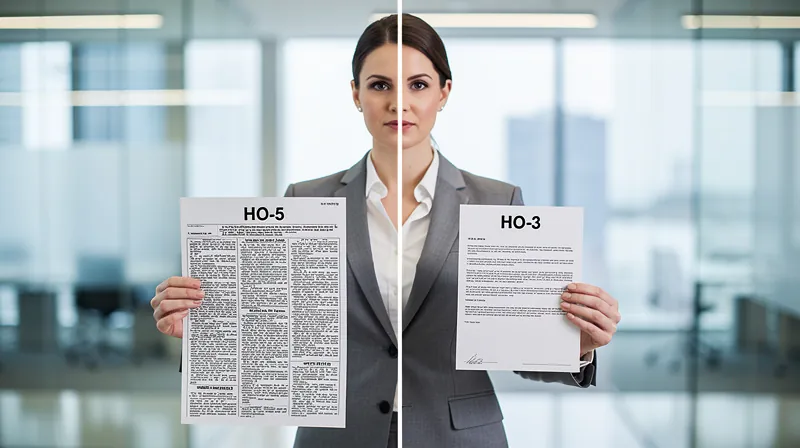
The HO-3 is the industry-standard policy that approximately 80% of American homeowners carry. It provides solid protection — open perils on the dwelling, named perils on personal property. But “solid” is not “comprehensive.” When you examine the policy language side by side, the gaps in HO-3 contents coverage become evident.
| Feature | HO-3 (Special Form) | HO-5 (Comprehensive Form) |
|---|---|---|
| Dwelling Coverage | Open perils | Open perils |
| Personal Property Coverage | Named perils (16 listed events) | Open perils |
| Valuation Method | Often actual cash value (depreciated) | Typically replacement cost |
| Jewelry Sub-Limit | Usually $1,500 | Higher standard limits or no sub-limits |
| Claims Burden | Policyholder must prove peril is named | Insurer must prove exclusion applies |
| Worldwide Coverage | Limited (10% of Coverage C, named perils) | Full open-perils worldwide |
| Premium Cost | Baseline | 10–25% higher than HO-3 |
Perhaps the most overlooked distinction in the HO-5 vs HO-3 comparison is the valuation method. Many HO-3 policies default to actual cash value for personal property, meaning your five-year-old sofa is reimbursed at its depreciated value — not the cost to buy a new one. The HO-5 typically defaults to replacement cost, ensuring you can actually replace what you’ve lost at today’s prices.
The claims process also shifts in your favor. Under an HO-3, the burden falls on you to prove the cause of damage matches a named peril. Under an HO-5, the burden shifts to the insurer to prove an exclusion applies. This reversal of proof significantly reduces “is it covered?” disputes.
The ‘Open Perils’ Advantage for Contents
Consider a practical scenario: you accidentally knock your laptop off a kitchen counter and the screen shatters. Under an HO-3, this claim would likely be denied — accidental damage is not one of the 16 named perils. Under an HO-5, accidental damage is covered because it isn’t an excluded event. The policy pays for the repair or replacement.
Now consider a more complex scenario — a “hybrid storm” where wind-driven rain enters through a temporarily compromised seal around a window, damaging electronics and furniture inside. An HO-3 adjuster may debate whether the cause was “windstorm” (covered) or “water damage from rain” (potentially excluded if not driven by a named peril). The HO-5’s open-perils language covers the damage unless the insurer can point to a specific exclusion, dramatically simplifying the claim.
For homeowners in coastal regions and hurricane zones, this advantage is not hypothetical — it’s the difference between a paid claim and a protracted dispute. The HO-5 handles complex, multi-causal weather events with far greater clarity than named-perils policies, making it a strategic choice for storm-prone areas.
Liability and Limits
Both HO-3 and HO-5 policies typically offer similar liability coverage structures under Coverage E and Coverage F. You’ll find standard liability limits ranging from $100,000 to $500,000, with medical payments to others typically set between $1,000 and $5,000.
However, the HO-5 often serves as a platform for easier endorsement of higher liability limits, particularly for high-net-worth individuals. Insurers offering HO-5 policies tend to cater to clients with larger asset portfolios, making it simpler to bundle umbrella liability policies or increase base limits to $1 million or more. If you have significant assets to protect, the HO-5 framework offers a more natural fit for robust liability stacking.
Open Perils vs. Named Perils: How HO-5 Works
Open-perils coverage means your policy covers all causes of loss except those specifically excluded in the policy document, while named-perils coverage only responds to events explicitly listed. This distinction is the engine that drives the HO-5’s superior protection.
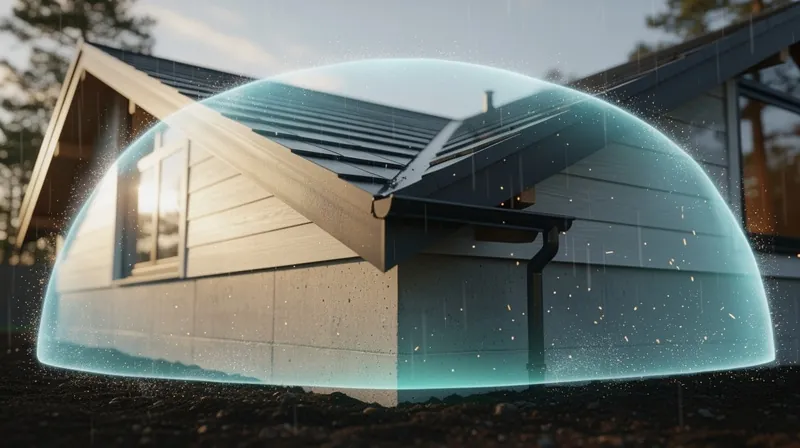
Under a named perils policy (HO-1, HO-2, or the contents portion of an HO-3), only specific events trigger coverage. The standard list typically includes 16 perils: fire, lightning, windstorm, hail, explosion, riot, aircraft damage, vehicle damage, smoke, vandalism, theft, volcanic eruption, falling objects, weight of ice/snow/sleet, accidental discharge of water, and sudden electrical damage.
Under open-perils coverage, the policy flips this logic entirely. Everything is covered unless the policy says otherwise. This is why the HO-5 is sometimes called an “all-risk” policy — though the term is slightly misleading because exclusions still exist.
The standard exclusions that remain even in an HO-5 include:
- Earth movement (earthquakes, sinkholes, landslides)
- Flood (surface water, storm surge, overflow)
- War and nuclear hazard
- Government action
- Intentional loss caused by the policyholder
- Neglect and failure to preserve property after a loss
- Wear and tear, rust, corrosion, and gradual deterioration
- Mold and fungus (with nuanced exceptions)
- Foundation settling, cracking, shrinking, or expansion
The ‘Unless’ Clause in HO-5 Policies
Understanding the “unless” clause is essential to using your HO-5 effectively. The policy language essentially reads: “We cover all direct physical loss to property unless the loss is caused by [exclusion list].” This structure means you should focus your attention on the exclusions page, not the coverage page.
The earth movement and flood exclusions are absolute in HO-5 policies. No amount of policy language interpretation will bring earthquake damage or flood surge under your HO-5 coverage. These risks require separate policies — flood insurance through the FEMA NFIP or a private flood carrier, and a standalone earthquake endorsement.
The mold and fungus exclusion is more nuanced. If mold develops as a direct result of a sudden, accidental covered event — such as a burst pipe that floods a wall cavity — the resulting mold remediation is typically covered under the HO-5. However, if mold grows gradually due to a slow, undetected leak or poor ventilation (maintenance neglect), the exclusion applies. The HO-5 handles this gray area more favorably than the HO-3, where the named-perils restriction adds an additional hurdle to mold-related claims.
Standard HO-3 policies often struggle with claims involving “gradual” or “neglect” elements. The HO-5’s open-perils framework provides slightly more room for coverage when the primary cause of loss is sudden and accidental, even if secondary contributing factors complicate the picture.
Coverage Limits, Endorsements, and High-Value Items
The HO-5 eliminates or raises many of the restrictive sub-limits found in standard HO-3 policies, making it the natural choice for homeowners with valuable collections, luxury goods, and custom-built residences. Additionally, targeted endorsements can extend protection into areas that even the comprehensive form doesn’t reach by default.
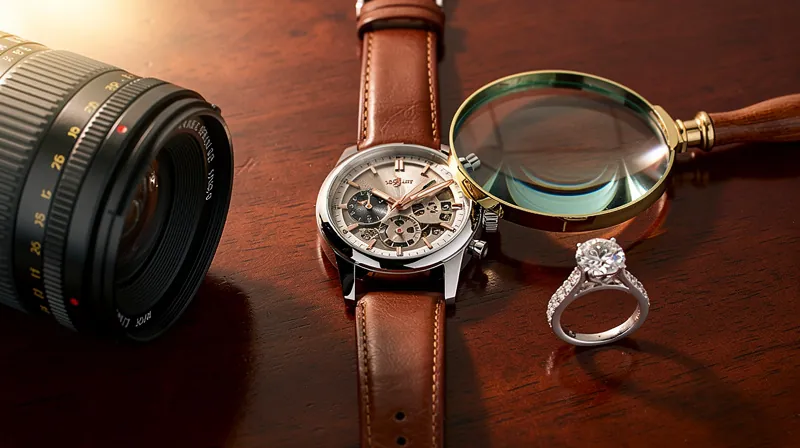
Under a typical HO-3 policy, personal property sub-limits can be startlingly low:
- Jewelry, watches, and furs: $1,500 total
- Silverware and goldware: $2,500 total
- Firearms: $2,500 total
- Securities, manuscripts, and stamps: $1,500 total
- Business property on premises: $2,500 total
The HO-5 typically raises these standard limits or eliminates certain sub-limits entirely, depending on the carrier. Some HO-5 policies increase the jewelry limit to $5,000 or more without any additional endorsement. However, for truly high-value items, the solution is scheduled personal property.
Scheduled Personal Property
Standard sub-limits — even the HO-5’s more generous ones — are insufficient for luxury items. A single engagement ring can exceed $10,000. A curated art collection may represent six or seven figures of value. Scheduling these items individually on your policy ensures they receive dedicated, appraised coverage at their full value.
The process is straightforward: you obtain a professional appraisal for each item, submit the documentation to your insurer, and the item is added to a schedule with its own specific coverage limit. Scheduled items typically bypass all sub-limits and are covered at agreed-upon or replacement cost value — meaning there’s no depreciation deduction and no ambiguity about the payout amount.
For fine art, antiques, collectibles, musical instruments, and high-end electronics, scheduling is the gold standard. It transforms your HO-5 from a comprehensive policy into a truly bespoke protection plan tailored to your specific asset profile.
Ordinance and Law Coverage
One of the most underappreciated benefits of the HO-5 — and a gap that competitors routinely fail to address — is Ordinance and Law coverage. When a covered disaster partially or fully destroys your home, rebuilding isn’t just about replacing what was there. Modern building codes, fire safety requirements, and energy efficiency standards may require upgrades that didn’t exist when your home was originally built.
The rising cost of building materials — combined with increasingly strict local codes — means the gap between your insurance payout and the actual cost to rebuild to current standards can be tens of thousands of dollars. Ordinance and Law coverage specifically addresses this gap, paying for the additional cost of compliance with current building codes during reconstruction.
This endorsement is critical for homeowners in:
- Seismic zones where retrofit requirements have been updated
- Wildfire interface areas with strict fire-resistant building codes
- Coastal regions with elevated foundation and wind-resistance requirements
- Older homes built before modern electrical, plumbing, or structural codes
Additional homeowner endorsements worth considering alongside your HO-5 include water backup coverage (for sewer and drain overflow), identity theft restoration coverage, and equipment breakdown coverage for HVAC and appliance mechanical failures.
Exclusions and Limitations: What’s Not Covered
Despite its broad scope, HO-5 home insurance has firm exclusions that every policyholder must understand — most critically, earth movement, floods, and maintenance-related deterioration are never covered under the standard policy.
The comprehensive form’s open-perils structure is powerful, but it is not unlimited. The following categories are universally excluded from HO-5 policies:
- Earth movement: Earthquakes, sinkholes, landslides, mine subsidence
- Flooding: Surface water, storm surge, tidal waves, river overflow
- War, terrorism (in some cases), and nuclear hazard
- Wear and tear: Gradual deterioration, rust, corrosion, dry rot
- Mechanical breakdown: HVAC failure, electrical system malfunctions (unless endorsed)
- Pets and vehicles: Auto insurance and pet liability require separate policies
- Intentional damage caused by the policyholder
Earth Movement and Floods
HO-5 is not a substitute for separate flood or earthquake insurance. This is perhaps the most important message for homeowners who assume “comprehensive” means “everything.” It does not.
Flood insurance must be obtained through the FEMA National Flood Insurance Program (NFIP) or a private flood insurer. Even if you don’t live in a designated flood zone, approximately 25% of all flood claims come from moderate-to-low risk areas. A separate flood policy is strongly recommended regardless of your zone classification.
Similarly, earthquake coverage requires a standalone earthquake endorsement or a separate earthquake policy. In California, the California Earthquake Authority (CEA) offers specialized coverage. In other seismic zones, your HO-5 carrier may offer an earthquake endorsement that can be added directly to your policy.
The importance of reading the exclusions page of your policy cannot be overstated. The declarations page tells you what you have; the exclusions page tells you what you don’t.
Mold and Maintenance Issues
The mold exclusion in HO-5 policies operates on a critical distinction: sudden accidental water damage that leads to mold is typically covered, while gradual mold growth from deferred maintenance or slow leaks is not.
For example, if a washing machine supply line suddenly bursts and saturates a wall, the resulting water damage and any mold that develops from that specific event would generally be covered under your HO-5. However, if a slow drip beneath a bathroom sink goes unrepaired for months and mold colonies establish themselves in the subfloor, the insurer will likely invoke the neglect and gradual deterioration exclusions.
The HO-5 handles these gray-area claims more favorably than the HO-3 because the burden of proof falls on the insurer to demonstrate that an exclusion applies. Under an HO-3’s named-perils framework, the homeowner would face the additional hurdle of proving the initial water event matches a listed peril. Still, the HO-5 has limits — consistent home maintenance remains your first line of defense.
Is HO-5 Worth the Extra Cost? Cost and Value Proposition
For homeowners with high-value properties, significant personal belongings, or exposure to complex weather events, the 10–25% premium increase of an HO-5 over an HO-3 is frequently justified by the broader coverage, better claims outcomes, and reduced financial uncertainty.

Let’s put the numbers in perspective. If your HO-3 annual premium is $1,800, an equivalent HO-5 policy would typically cost between $1,980 and $2,250 per year — an additional $180 to $450 annually. That translates to roughly $15 to $37 per month for substantially broader protection on every item you own.
The return on investment becomes particularly clear in specific scenarios:
- A single denied HO-3 claim for accidental damage to a $2,000 laptop would exceed an entire year’s premium difference.
- Depreciation on a living room furniture set under actual cash value could reduce your HO-3 payout by 40–60%, costing you thousands in a fire loss.
- A complex storm claim that an HO-3 adjuster disputes but an HO-5 covers cleanly could represent $10,000 or more in avoided out-of-pocket costs.
To find the best rates, request quotes from independent insurance agents who can compare HO-5 insurance premiums across multiple carriers simultaneously. Bundling your HO-5 with auto insurance, umbrella liability, or other policies can often offset 5–15% of the premium increase through multi-policy discounts.
The Value of Peace of Mind
Beyond the financial calculus, there is a psychological stress reduction component to HO-5 coverage that is rarely discussed but profoundly impactful. The open-perils framework means you don’t spend storm season reviewing your policy for gaps. You don’t worry about whether your electronics are protected during international travel. You don’t second-guess whether an unusual event will trigger a coverage dispute.
This “is it covered?” anxiety is real, and it intensifies during the moments you’re least equipped to deal with it — in the aftermath of a loss. The HO-5’s clearer, broader language translates to faster claims processing, fewer denials, and less adversarial interactions with adjusters. For many homeowners, that peace of mind is worth every dollar of the premium difference.
Who Should Buy HO-5?
The HO-5 is not necessary for every homeowner, but it is the optimal choice for specific profiles:
- Owners of new construction or extensively renovated homes who want to protect their investment with the broadest available coverage.
- Residents in hurricane, wildfire, or severe storm zones where complex, multi-causal weather events make named-perils claims difficult to navigate.
- Frequent travelers carrying expensive electronics, jewelry, or designer goods who need worldwide personal property coverage.
- Homeowners with high-value collections — art, wine, antiques, instruments — that exceed standard sub-limits.
- Those concerned about building code upgrades post-disaster, particularly in older homes or areas with evolving construction standards.
- High-net-worth individuals who need a robust platform for stacking liability coverage and endorsements.
If you see yourself in any of these profiles, the HO-5 isn’t just worth the extra cost — it’s the strategically sound choice.
How to Get the Best HO-5 Policy
Securing the right HO-5 policy requires comparing carriers, understanding your home’s specific risk profile, and working with an agent who specializes in comprehensive coverage options.
Not every insurer offers HO-5 policies, and among those that do, the coverage details, endorsement options, and pricing can vary significantly. Follow this process to optimize your selection:
- Get a professional home appraisal to establish accurate replacement cost for Coverage A.
- Inventory your personal property with photos, receipts, and appraisals for high-value items.
- Request HO-5 quotes from at least three carriers through an independent agent.
- Compare exclusion lists — not all HO-5 policies exclude the same things.
- Ask about available endorsements: water backup, equipment breakdown, identity theft, and scheduled property.
- Evaluate deductible options — higher deductibles can offset the HO-5 premium increase.
- Bundle policies for multi-policy discounts that reduce your overall insurance spend.
If you currently carry an HO-3, most insurers allow a mid-policy upgrade to an HO-5. Your agent will prorate the premium difference for the remaining policy term, making the transition seamless and immediate.
Frequently Asked Questions
Is an HO5 policy worth it?
Yes, an HO-5 policy is worth it for homeowners with high-value belongings, complex weather exposure, or a desire for the broadest available protection. The 10–25% premium increase over an HO-3 is often recouped through a single claim that would have been denied or depreciated under a standard policy. The open-perils structure also reduces claims disputes and provides replacement cost coverage that preserves your financial position after a loss.
What does HO-5 mean in insurance?
HO-5 is the Insurance Services Office (ISO) designation for the “comprehensive form” homeowners insurance policy. It provides open-perils coverage for both the dwelling structure and personal property, meaning everything is covered unless specifically excluded. It represents the broadest standard homeowners policy available for detached single-family homes.
Which is better, HO3 or HO5?
The HO-5 is objectively broader in coverage than the HO-3, particularly for personal property protection. The HO-3 covers contents only against 16 named perils, while the HO-5 covers contents against all perils except specific exclusions. Whether the HO-5 is “better” for you depends on your budget, the value of your belongings, and your risk tolerance — but for homeowners who can afford the premium difference, the HO-5 provides superior protection.
How much does HO5 insurance typically cost?
HO-5 insurance premiums typically run 10% to 25% higher than an equivalent HO-3 policy. For a home where an HO-3 costs $1,800 per year, the HO-5 equivalent would generally range from $1,980 to $2,250 annually. Exact pricing depends on your home’s value, location, claims history, and the carrier you select.
Does HO-5 cover worldwide theft?
Yes, HO-5 policies cover personal property theft on a worldwide basis under Coverage C. If your belongings are stolen while you’re traveling — domestically or internationally — the open-perils coverage applies. This is a significant advantage over HO-3 policies, which limit off-premises personal property coverage to a percentage of Coverage C and restrict it to named perils only.
Does HO-5 cover mold damage?
HO-5 covers mold damage only when it results directly from a sudden, accidental covered event, such as a burst pipe. Mold growth caused by gradual leaks, poor ventilation, or deferred maintenance is typically excluded. The key distinction is between sudden accidental water damage (covered) and chronic moisture issues from neglect (excluded).
Can I switch from an HO-3 to an HO-5 mid-policy?
Yes, most insurers allow you to upgrade from an HO-3 to an HO-5 during your current policy term. Your insurer will calculate the prorated premium difference for the remaining months and adjust your billing accordingly. Contact your agent to request the upgrade — it typically takes effect within a few business days of approval.
Does HO-5 cover earthquake damage?
No, HO-5 does not cover earthquake damage — earth movement is a standard exclusion in all homeowners policies, including the comprehensive form. Earthquake protection requires a separate earthquake endorsement or a standalone earthquake insurance policy. Homeowners in seismic zones should add this coverage independently of their HO-5.
Is HO-5 better for high-value homes?
Yes, HO-5 is the preferred policy for high-value homes due to its broader coverage, higher sub-limits, replacement cost valuation, and seamless endorsement platform. Owners of luxury properties benefit from the open-perils protection on both structure and contents, the ability to schedule high-value items, and easier access to elevated liability limits and Ordinance/Law coverage.
What is the main difference between ACV and RC in HO-5?
Actual cash value (ACV) deducts depreciation from the payout, while replacement cost (RC) pays the full amount needed to replace an item at today’s prices. The HO-5 typically defaults to replacement cost for personal property, ensuring you can actually buy a new equivalent item after a loss. Under ACV — common in HO-3 policies — a three-year-old television worth $1,200 new might only pay out $500 after depreciation is applied.